
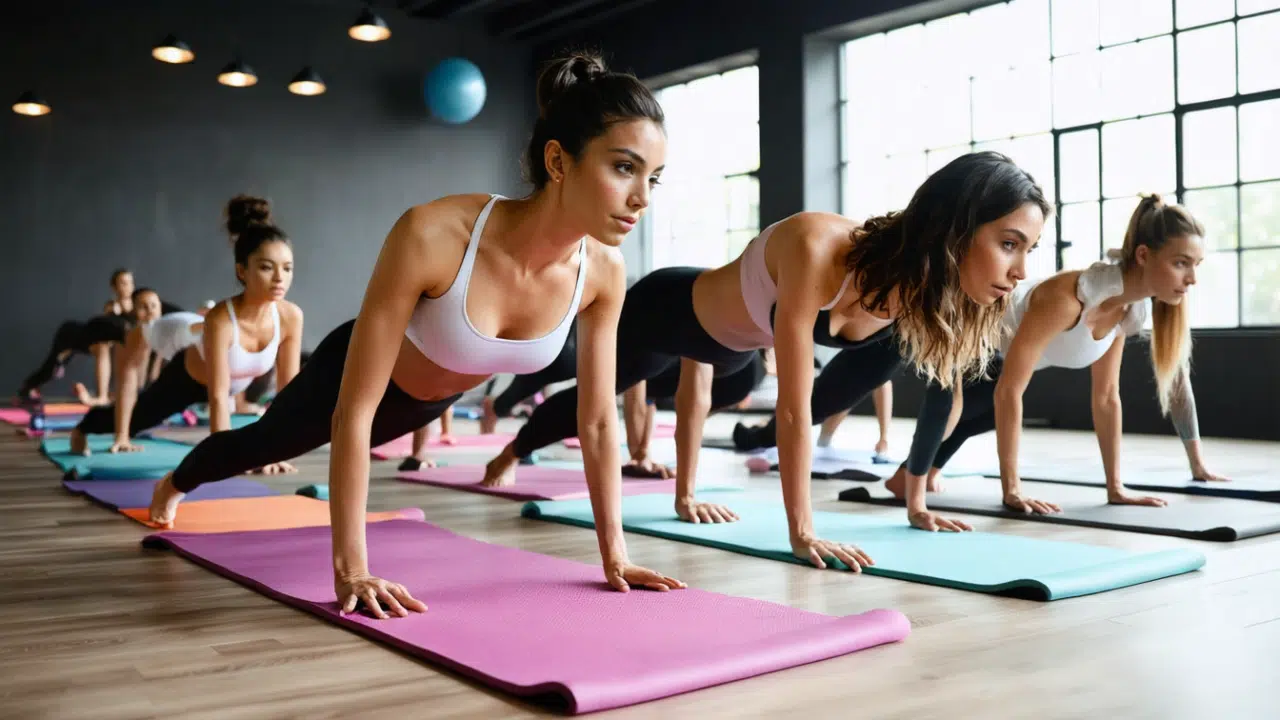
Achieving a flat stomach in just one week may sound ambitious, but with a precise Pilates sequence designed to target core strength, posture, and muscle tone, it becomes a tangible goal. Amid rising interest in efficient fitness routines in 2025, Pilates has taken center stage due to its compelling benefits in sculpting a leaner midsection while enhancing overall body awareness. Integrating this method with mindful nutrition and hydration amplifies results, making Pilates not only an exercise but a holistic approach to wellness. From famous brands like Balanced Body, Alo Yoga, and Manduka to platforms such as Pilates Anytime and PILATES.com, the fitness world offers an abundance of resources to support this transformative journey. This article delves into an expertly crafted sequence, complementary lifestyle tips, and essential practices for sustainable progress that will reshape your midsection effectively within days.
Core-Strengthening Pilates Moves to Fast-Track a Flat Stomach
Pilates is globally renowned for its ability to activate the deep core muscles, engage the transverse abdominis, and remodel the waistline with precision-focused movements. Achieving a flat stomach in a compressed timeframe demands exercises that consistently stimulate muscle fibers responsible for abdominal definition while minimizing strain on joints. In this context, foundational moves such as the Pelvic Curl, Hundred Prep, and Leg Circles serve as the perfect starters.
The Pelvic Curl works as an advanced glute bridge combined with core engagement, promoting spinal articulation and creating controlled pelvic mobility. Incorporating 2 sets of 10 repetitions along with 15 leg pumps awakens the lower abdominal muscles efficiently. Similarly, the Hundred Prep—often practiced with mindful breathing—strengthens breath control alongside abdominal endurance. You might perform 3 sets of 30 breaths, followed by single-leg stretches to sculpt the obliques and rectus abdominis.
Plank variations, including forearm planks and side planks, are indispensable for enhancing overall core stability. Maintaining a forearm plank for 20 seconds, repeated thrice, alongside side planks for 15 seconds each side, challenges the lateral muscles that contribute to a slim waist. Rest days are critical as well; incorporating gentle stretching sessions featuring Cat-Cow and Child’s Pose prevents muscle fatigue and encourages recovery.
- Pelvic Curl & Pumping: Combines hip mobility with abdominal engagement.
- Hundred Prep + Single Leg Stretch: Focuses on breath control and core endurance.
- Plank & Side Plank Variations: Builds core strength and enhances waist definition.
- Active Recovery: Involves gentle Pilates mat flows for flexibility consolidation.
| Exercise | Repetitions | Core Focus | Benefit |
|---|---|---|---|
| Pelvic Curl & Pumping | 2×10 + 2×15 | Lower abs & glutes | Builds pelvic control and glute strength |
| Hundred Prep | 3×30 breaths | Breath and core endurance | Improves respiratory control and abdominal stamina |
| Forearm Plank | 3×20 seconds | Entire core | Boosts stability and abdominal definition |
| Side Plank | 2×15 seconds each side | Obliques and lateral core | Tones waist and strengthens lateral muscles |
These moves are part of comprehensive programs found on platforms such as BetterMe and influential fitness sites like Skinny Ms.. Leading Pilates equipment companies like Liforme and Balanced Body recommend mats and minimal gear to deepen these core engagements without interruption. Practitioners from The Balanced Life and Pilates ProWorks emphasize the importance of consistent reps and mindful breathing inherent in Pilates routines.

Progressive Intensity: Transitioning to Advanced Pilates Postures for Stomach Toning
By the second week or even within seven days with dedication, incorporating more challenging moves further sculpts the stomach area and increases muscle definition. Exercises like the Teaser Prep, Boat Pose, Scissors, and Pilates Push-Up add intensity by demanding greater control and balance. These positions engage the full midsection dynamically, building muscular endurance and improving posture.
Teaser Prep, done with bent knees, prepares the body for the iconic Pilates teaser by activating the lower abdominals and hip flexors. The Boat Pose, held for 20 seconds in a controlled manner, strengthens hip flexors and rectus abdominis simultaneously. Scissors challenge the coordination of the legs and core with alternating leg motions essential for oblique toning. The Pilates push-up integrates upper body strength, keeping the core engaged throughout, which refines the abdominal wall and promotes fat burn.
Adding rest days that emphasize mobility, such as hip flexor stretches and foam rolling, support muscle recovery and lessen soreness. This blend of active training and strategic rest embodies the principles encouraged by brands like Gaiam and Alo Yoga, which blend movement with mindfulness. Adept Pilates trainers on the PILATES.com network attest that the key to rapid definition is progressive overload tailored carefully to one’s ability.
- Teaser Prep: Activates deep abdominal and hip flexor muscles.
- Boat Pose & Scissors: Strengthens core and improves coordination.
- Pilates Push-Up: Combines core engagement with upper body strength.
- Active Mobility Days: Promotes muscle recovery and injury prevention.
| Exercise | Duration/Reps | Target Muscles | Effect |
|---|---|---|---|
| Teaser Prep | 3×5 reps | Lower abs, hip flexors | Prepares core for advanced moves |
| Boat Pose | 3×20 seconds hold | Core stabilizers | Improves balance and abdominal endurance |
| Scissors | 2×10 each leg | Obliques, hip flexors | Tones waist and legs |
| Pilates Push-Up | 3×8 reps | Core, arms, chest | Builds total body strength with core focus |
Those wanting additional instructional content may benefit from Body Network’s 14-day pilates plan or video tutorials like the popular YouTube Pilates workout for flat stomach. These resources pair perfectly with the equipment from Manduka and Power Pilates, designed to stabilize practitioners as they challenge their limits.
Nutrition and Hydration Protocols to Complement Pilates for Faster Belly Fat Reduction
Exercise alone isn’t sufficient to flatten the stomach quickly; proper nutrition and hydration must align with your Pilates practice. Emphasizing protein intake, complex carbohydrates, healthy fats, and adequate water consumption directly supports muscle repair, energy levels, and digestive health.
Protein goals of 1.2 to 1.5 grams per kilogram of body weight per day ensure muscles receive nutrients necessary for rebuilding after intense Pilates sessions. Whole grains, leafy greens, and colorful vegetables provide steady, low glycemic energy while supplying essential vitamins and fiber to prevent bloating. Incorporating healthy fats such as those found in avocados, nuts, and olive oil supports hormone balance—crucial for fat metabolism and muscle tone.
Hydration is vital to reduce Pilates-related cramps and nausea and to improve digestion. Drinking at least 2-3 liters of water daily while favoring clear or ice-cold liquids can ease feelings of fullness and support metabolic functions. Avoiding alcohol and excessive sugar, both of which counteract your fat-loss goals and may cause digestive distress especially if taking medications like Ozempic, aligns with wellness advice from experts in 2025.
- Protein Power: Supports muscle recovery and growth.
- Complex Carbs & Vegetables: Provide lasting energy and fiber.
- Healthy Fats: Facilitate hormone balance and fat metabolism.
- Hydration: Maintains digestion, reduces bloating, and combats nausea.
- Avoid Sugary and Processed Foods: Prevents glucose spikes and digestive issues on medications.
| Nutrient | Recommended Intake | Main Food Sources | Role in Pilates & Fat Loss |
|---|---|---|---|
| Protein | 1.2–1.5 g/kg body weight | Lean meats, legumes, dairy | Muscle repair and building |
| Complex Carbs | As needed for energy | Whole grains, vegetables | Steady energy supply |
| Healthy Fats | Moderate portions daily | Avocado, nuts, olive oil | Hormone regulation and fat burn |
| Water | 2–3 liters/day | Clear drinks, ice-cold water | Hydration and digestion support |
Experts at Pilates Anytime and The Balanced Life often stress the value of mindful eating habits linked to Pilates success. Conscious chewing, pausing between bites, and respecting fullness signals can improve satiety and decrease overeating, thereby enhancing abdominal definition. More on this mindful approach and how to integrate hydration can be explored here.

Recovery, Mobility, and Mind-Body Connection in Pilates for Lasting Flat Stomach Results
Recovery periods are essential in any high-impact or intensive fitness regimen, including Pilates. Dedicated time for stretching, breathing exercises, and restorative practices solidifies gains made during workouts and prevents injury. In this regard, mobility work and mindful breathing unlock deep relaxation and optimize core activation simultaneously.
Stretching routines that focus on hip flexors, lower back, and the abdominals improve circulation and release muscular tightness, fundamental for maintaining proper posture, a significant factor in how flat your stomach appears. Practices such as diaphragmatic breathing activate the deep core muscles often neglected in conventional workouts. Spending 5 to 10 minutes post-workout on these techniques enables enhanced muscle recovery and a calmer mindset.
Quality sleep is a pillar of body transformation. Aim for 7 to 8 hours nightly to harness hormonal balance and muscle rebuilding processes that support both Pilates practice and fat loss objectives. Pilates equipment brands like Gaiam and Manduka often promote integrated wellness approaches that combine fitness, sleep hygiene, and stress management among their educational content.
- Daily Stretching: Focuses on flexibility and muscle repair.
- Breathing Exercises: Engages core and reduces stress.
- Quality Sleep: Enables hormonal and muscular recovery.
- Mind-Body Awareness: Reinforces consistent exercise adherence.
| Recovery Method | Purpose | Suggested Duration | Benefits |
|---|---|---|---|
| Daily Stretching | Enhance flexibility, prevent injury | 5-10 minutes | Improves range of motion, reduces soreness |
| Diaphragmatic Breathing | Core activation, stress reduction | 5 minutes | Enhances mindfulness and deep core engagement |
| Sleep Hygiene | Muscle and hormonal recovery | 7-8 hours/night | Supports weight management and vitality |
Community resources like Pilates ProWorks and platforms such as PILATES.com offer ongoing guidance centered on the synergy of movement and recovery. Their programs emphasize that developing a balanced body is as much about rest and mental focus as continuous physical training. An insightful video on restorative Pilates practice can be viewed here.
Long-Term Pilates Strategies and Lifestyle Habits to Sustain a Flat Stomach Beyond One Week
Pilates is a journey, not a quick fix. While your stomach toning goals may accelerate in one week by following targeted sequences, sustaining this new core strength requires long-term lifestyle adjustments and consistent practice. Experts from The Balanced Life and Alo Yoga suggest integrating Pilates sessions into weekly routines ranging from three to five times per week to maintain and improve results.
Avoiding common pitfalls such as sedentary habits and poor nutritional choices is critical. The implementation of mindful portion control, reduced intake of ultra-processed foods, and moderated caffeine consumption cultivates a metabolic environment conducive to fat loss and muscle preservation. Evidence from 2025 research indicates that combining Pilates with balanced nutrition and hydration maximizes body transformation efficacy.
Moreover, reinforcing the mind-body connection cultivated through Pilates can help prevent emotional eating and promote sustainable wellness. Platforms like Pilates Anytime and Power Pilates provide ongoing challenges and community support to inspire lifelong adherence.
- Consistent Pilates Practice: 3-5 times per week for maintenance.
- Mindful Portion Control: Smaller, nutrient-dense meals.
- Active Lifestyle: Avoid prolonged sitting, incorporate movement.
- Stress Management: Utilize breathing and meditation.
| Habit | Recommended Frequency | Impact on Core Tone | Practical Tips |
|---|---|---|---|
| Pilates Workouts | 3-5 times/week | Maintains muscular definition | Follow progressive plans on PILATES.com |
| Mindful Eating | Daily | Avoids overeating, supports fat loss | Focus on nutrient-dense portions and hydration |
| Movement Breaks | Hourly if sitting | Boosts metabolism, reduces bloating | Incorporate standing or light walking every hour |
| Stress Reduction Techniques | Daily | Prevents stress-related weight gain | Practice breathing and meditation exercises |
For a deeper dive into sustaining abdominal tone beyond the one-week mark, visit resources like HIIT Workout’s Pilates guide or explore the express five-minute Pilates sequence featured on Slope Media. These programs emphasize convenience while ensuring progressive improvements.
