
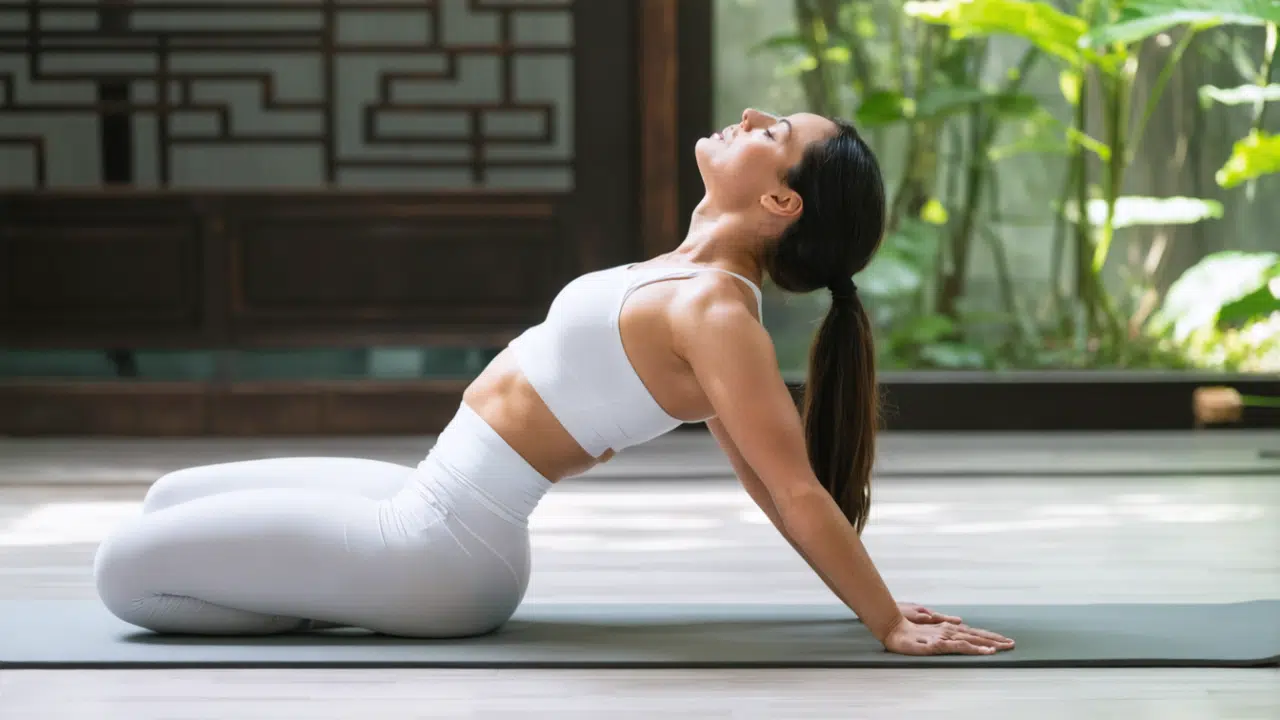
Unlocking the full potential of Pilates goes beyond mastering the physical movements; it hinges significantly on the artful control of breath. This secret breathing technique serves as a transformative tool, enriching every Pilates session by amplifying core engagement, boosting endurance, and deepening the mind-body connection. Grounded in the principles popularized by renowned institutions such as Pilates Anytime and Balanced Body, and echoing the philosophies of Stott Pilates and Romana’s Pilates, this approach to breathing elevates Pilates from mere exercise to a holistic experience. As practitioners across the globe adopt these refined breathwork strategies, their Pilates practices evolve dramatically, revealing unseen layers of strength, balance, and mental clarity.
Proper breathing not only fuels your muscles with essential oxygen but also orchestrates the harmonious flow of movement, posture, and concentration. Whether you train under the guidance of Pilatesology, Institute for Pilates, or peak organizations like Peak Pilates, understanding and implementing this technique can shift your performance to new heights. This article explores the nuances of this secret breathing method, its physiological underpinnings, and practical applications, supported by the latest insights in breath control from Body Arts and Science International and Balletone.
Mastering Core Engagement Through Diaphragmatic Breathing in Pilates
At the heart of Pilates success lies the diaphragm, a powerful muscle that orchestrates our breathing. Its activation is essential to achieving the deep core engagement that Pilates demands. Diaphragmatic breathing, often called belly breathing, involves drawing air deep into the lungs by expanding the diaphragm downward rather than lifting the chest. This technique not only maximizes oxygen intake but also stabilizes the trunk, which is critical for proper Pilates execution.
Engaging the diaphragm correctly results in superior spinal alignment and supports correct posture, reducing injury risks and enhancing movement fidelity. For instance, when performing exercises like the Pilates roll-up or the teaser, synchronized diaphragmatic breaths allow for controlled, fluid movement and steady core activation, as endorsed by Pilates Anytime’s instructional sessions.
Moreover, practitioners of Stott Pilates emphasize the importance of breath to initiate movement; inhaling prepares the body, while exhaling facilitates exertion and core engagement. This rhythmic breathing pattern reduces muscular fatigue by efficiently delivering oxygen to working muscles, allowing for longer and more effective workouts.
- Enhanced oxygen transport: Deep diaphragmatic inhaling increases oxygen delivery to muscles.
- Improved core stabilization: Engaging the diaphragm supports spinal integrity.
- Reduced muscular tension: Proper breathwork soothes muscles, mitigating stiffness.
- Minimized risk of injury: Stabilized core protects the spine during dynamic exercises.
- Heightened focus: Breath awareness fosters concentration and mindfulness.
| Aspect | Description | Impact on Pilates Practice |
|---|---|---|
| Diaphragmatic Expansion | Inhaling deeply through the abdomen to expand diaphragm. | Improved oxygenation and core support. |
| Breath-Flow Synchronization | Coordinating breath with movements. | Smoother transitions and enhanced control. |
| Exhalation Force | Controlled exhale to engage abdominal muscles. | Strengthened core and better posture. |
| Breath Rhythm | Consistent inhalation and exhalation cycle. | Reduces fatigue and maintains endurance. |
| Mental Presence | Conscious focus on breathing patterns. | Heightened mindfulness and relaxed state. |
This breathing method is central to renowned Pilates styles such as Contrology and Peak Pilates, and its benefits have been well documented by experts from Pilatesology and the Institute for Pilates. By integrating diaphragmatic breathing into each session, Pilates practitioners not only optimize muscle engagement but also achieve a more substantial mind-body connection, foundational to Pilates’ holistic philosophy.

Unlocking the Ribcage Expansion Technique for Superior Pilates Performance
Another cornerstone to the secret breathing advance in Pilates is the ribcage expansion technique, which involves mindful lateral breathing. Unlike shallow chest breathing that raises the shoulders, ribcage expansion promotes the lateral inflation of the ribcage, allowing for increased oxygen intake without tension or strain.
Institutions such as Balanced Body and Body Arts and Science International advocate this technique for its ability to enhance muscular endurance and posture. By consciously expanding the ribcage, practitioners activate deep abdominal muscles and obliques, further supporting spinal stability. This method also teaches breath control under movement, a vital element when progressing to more advanced Pilates exercises like the saw or swan dive.
For example, Balletone integrates ribcage expansion in their fusion routines, blending ballet and Pilates, which demands elevated awareness of breath to maintain fluidity and grace. Similarly, Romana’s Pilates method traditionally embraces breathing patterns that emphasize the lateral spread of ribs to achieve both strength and elegance in movement.
- Lateral ribcage expansion: Increases lung capacity and oxygen supply.
- Prevents shoulder elevation: Avoids neck tension and improves posture.
- Activates oblique and transverse abdominis: Boosts core stability.
- Enhances breath control: Improves focus and endurance during dynamic sequences.
- Supports spinal alignment: Ensures safer and more effective movement execution.
| Technique | Key Movements | Benefits for Pilates |
|---|---|---|
| Lateral Rib Expansion | Inhalation expanding sides of ribcage | Increased oxygenation and core engagement |
| Shoulder Stability | No shoulder lift on inhalation | Reduced neck tension and better posture |
| Oblique Activation | Engagement of side abdominal muscles | Enhanced spinal alignment and balance |
| Exhalation Control | Controlled exhale contracting core | Boosted core strength and movement precision |
| Breath-Movement Sync | Breath tied to Pilates exercises | Smoother flow and exercise efficacy |
Experts teaching through platforms such as Pilates Anytime and advocates of the Stott Pilates system emphasize that this breathing strategy relieves tension in the upper body, which is often a limiting factor for performance. Moreover, lateral ribcage expansion ensures that Pilates sessions yield maximum benefits in postural improvement and muscle conditioning. Over time, users notice reduced fatigue and a greater ability to maintain precise control through extended workout durations.
How Synchronizing Breath with Movement Enhances Pilates Efficiency
The secret breathing technique that truly transforms Pilates practice lies in mastering synchronization between breath and movement. This synchronization is vital for cultivating control, fluidity, and balance throughout all Pilates exercises. Pilates authorities such as Stott Pilates, Peak Pilates, and the Institute for Pilates underscore that aligning the exhale and inhale with specific phases of movement amplifies the engagement of stabilizing muscles and prevents compensatory patterns.
Synchronization begins with learning to inhale during preparation—such as lengthening the spine or opening the chest—and exhale during exertion or movement requiring core effort, like rolling up or pushing down during leg presses. This lifted breathing rhythm supports transitions, allowing movements to flow seamlessly instead of becoming jerky or fragmented.
The benefits of breath-movement integration extend beyond physical gains. Synchronizing breath helps practitioners remain mentally present, reducing anxiety and increasing awareness of subtle muscular cues. This heightened sensitivity is invaluable for perfecting complex sequences such as reformer workouts or the controlled precision classes offered by Pilatesology.
- Inhale to prepare: Lengthens and centers the body before movement.
- Exhale to engage: Activates core and stabilizing muscles during exertion.
- Smooth transitions: Breath supports fluid movement and balance.
- Enhances body awareness: Deepens the focus on muscle control.
- Optimizes energy use: Prevents premature fatigue and enhances endurance.
| Phase | Breath Action | Functional Benefit |
|---|---|---|
| Preparation | Inhale deeply | Prepares body for movement and elongates spine |
| Execution | Exhale steadily | Engages core, aids precision and strength |
| Transition | Controlled breath | Makes flow smoother and prevents muscle strain |
| Recovery | Deep breath inhale | Releases tension and resets focus |
| Continuous flow | Coordinated in-out rhythm | Enhances endurance and mental clarity |
For Pilates enthusiasts looking to deepen their practice, mastering this breath-movement link proves invaluable. Resources like Fire Fitness Pro and The Pilates Circuit offer extensive guidance to help practitioners synchronize breath and motion effectively.
Equally, digital platforms such as Pilates Anytime provide classes designed particularly to emphasize this harmony, often led by instructors trained in both Contrology and Romana’s Pilates methods. Observing structured breath-movement patterns during such classes can heighten your practice’s effectiveness by leaps and bounds.
The Transformative Benefits of Conscious Breathing for Pilates Enthusiasts
Conscious breathing forms the backbone of effective Pilates practice by intertwining physiological advantages with psychological resilience. Pilatesology research and studies from institutions like Body Arts and Science International reveal multiple benefits that arise when practitioners incorporate mindful breath awareness.
Physiologically, deliberate breath control enhances lung capacity and oxygenation, which directly correlates with improved muscular endurance and reduced fatigue. Mentally, it fosters a meditative state that calms the nervous system while sharpening focus, allowing you to perform movements with greater precision and reduced anxiety.
This holistic approach nurtures emotional well-being by lowering cortisol levels and encouraging sustained relaxation. Embracing breath awareness during Pilates sessions is shown to improve overall mood and promote balanced emotional responses, offering a rewarding experience beyond physical exercise alone.
- Improved oxygen flow: Sustains muscular energy and delays fatigue.
- Enhanced core stability: Supports posture and movement accuracy.
- Stress reduction: Lowers cortisol, promoting calmness.
- Heightened concentration: Boosts mental clarity during practice.
- Increased emotional resilience: Encourages mindfulness and balance.
| Benefit | Explanation | Impact on Pilates Practice |
|---|---|---|
| Oxygen Optimization | Deep, controlled breaths improve oxygen supply | Increased stamina and endurance |
| Mental Focus | Conscious breathing promotes mindfulness | Improved technique and flow |
| Core Engagement | Breath-guided muscle activation | Better balance and spinal stability |
| Stress Control | Reduces nervous tension | More relaxed and controlled sessions |
| Emotional Well-being | Boosts mood and reduces anxiety | Greater overall wellness and motivation |
Many practitioners turn to respected resources like Pilatesecrets and Steel Saigon for step-by-step breathing methods that emphasize conscious breathwork. Meanwhile, Peloton’s Pilates blog chronicles the noticeable impact of breath control on mental and physical performance.
Integrating Breathing Techniques to Maximize Pilates Outcomes and Safety
Integrating refined breathing techniques into Pilates practice significantly improves both safety and effectiveness. This is particularly emphasized in comprehensive training systems like Balanced Body and the Institute for Pilates, where breathwork is seen as an essential component of injury prevention and motion efficiency.
Proper breath patterns contribute to optimal core muscle activation, enhancing spinal support during demanding exercises. For example, when performing the Pilates reformer routines, synchronizing breath with resistance-based movements ensures smooth transitions and safeguards against unnecessary strain.
Additionally, sustained breath awareness throughout a session keeps practitioners grounded and centered, discouraging breath-holding or shallow breathing which can cause dizziness or tension. This enhances the safety profile of Pilates routines, especially for beginners or those recovering from injury.
- Core muscle activation: Breath timing improves spinal protection.
- Injury prevention: Proper alignment through controlled breathing.
- Energy efficiency: Maximizes stamina by regulating oxygen use.
- Emotional calmness: Reduces chance of exercise-related anxiety.
- Movement precision: Breath-guided control sharpens form and technique.
| Practice Aspect | Breath Technique | Associated Benefit |
|---|---|---|
| Reformer Exercises | Synchronized inhale/exhale during resistance moves | Improved control and reduced injury risk |
| Core Stabilization | Breathing with abdominal engagement | Stronger spine support and posture |
| Fatigue Management | Consistent rhythmic breathing | Extended endurance during sessions |
| Mental Focus | Mindful breathing pauses | Enhanced concentration and flow |
| Relaxation | Deep breath during cool down | Stress relief and muscle recovery |
Adopting these breathing disciplines recommended by platforms like Pilates Anytime and Peak Pilates not only safeguards health but also maximizes the transformative potential of Pilates. As one practitioner noted after integrating breathwork strategies: “My strength and awareness soared, and I felt more connected to my body than ever.”
