
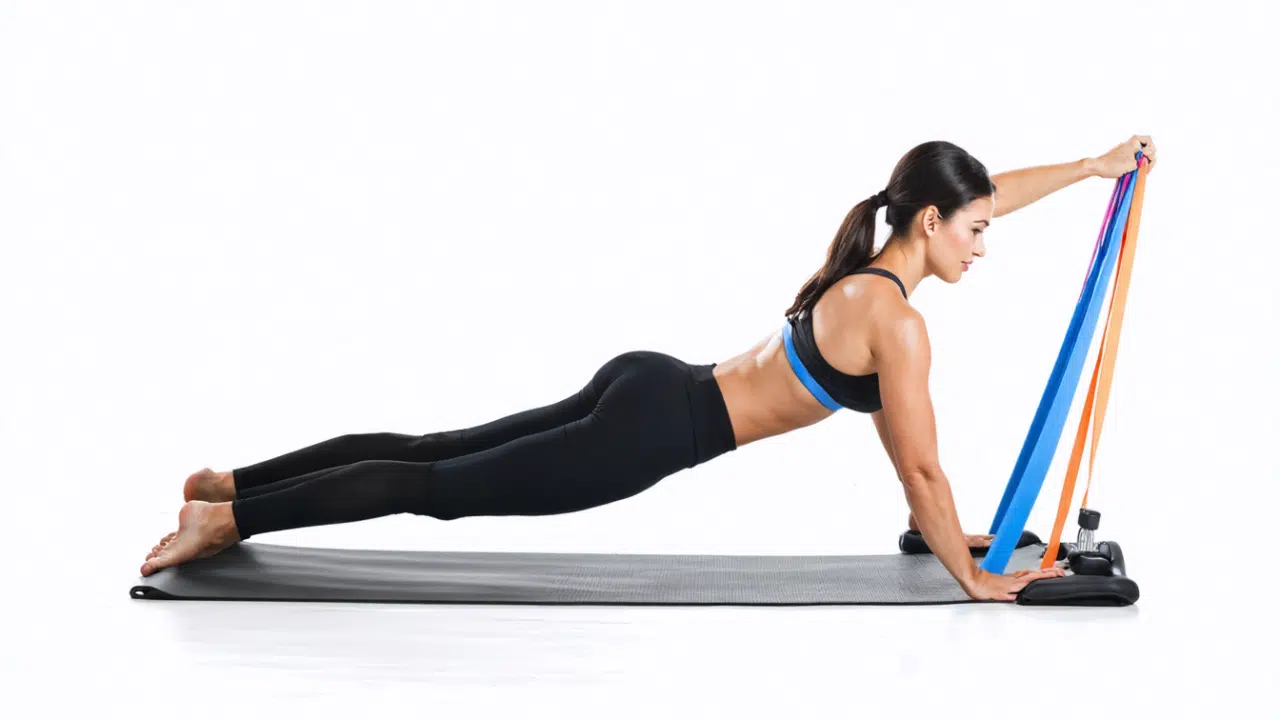
In the evolving landscape of fitness, the blend of Pilates and strength training emerges as a powerful strategy for fat loss, muscle tone, and overall health optimization. Popular fitness brands such as Nike, Under Armour, Alo Yoga, and Lululemon have recognized this synergy, incorporating it into their workout regimens. This expert guide explores the intricate balance between Pilates and strength training, tailored for fat loss, revealing why this combo has captivated fitness enthusiasts from Peloton subscribers to TRX users. With evidence from leading programs like Sweat by Kayla Itsines and Pilates Anytime, this article unveils secrets you need to elevate your fat-loss journey, ensuring workouts are effective, joint-friendly, and sustainable.
How Combining Pilates and Strength Training Amplifies Fat Loss: The Science Behind the Synergy
Fat loss is more than calorie arithmetic; it’s about how efficiently your body mobilizes energy, preserves muscle mass, and maintains movement quality. Pilates excels at building core strength, improving postural alignment, and enhancing body awareness without high impact, making it an excellent complement to strength training, which builds muscle mass and elevates metabolism.
Unlike traditional cardio, Pilates provides a multiplier effect — it strengthens the midline and optimizes breathing mechanics, reducing injury risk and improving endurance. Meanwhile, strength training boosts basal metabolic rate through increased lean muscle, facilitating a higher daily calorie burn even at rest.
The following table illustrates the key differences and combined benefits of Pilates and strength training for fat loss:
| Aspect | Pilates | Strength Training | Combined Effect |
|---|---|---|---|
| Primary Focus | Core control, flexibility, posture | Muscle hypertrophy, power, endurance | Improved muscle balance and body mechanics |
| Impact Level | Low-impact, joint-friendly | Variable; can be high-impact or loaded | Reduced injury risk with joint protection |
| Fat Loss Mechanism | Increases steady calorie burn, stress reduction | Raises metabolism via lean muscle gain | Enhanced fat loss with muscle retention |
| Training Frequency | 3-6 sessions weekly, modifiable intensity | 2-4 sessions weekly, focus on progressive overload | High adherence and balanced recovery |
| Additional Benefits | Improved breathing, posture, stress regulation | Strengthened bones, cardiovascular health | Holistic fitness and sustainable fat loss |
In practice, many fitness professionals, including those from A4Fitness and Training With T, highlight that integrating Pilates promotes injury-resilient strength gains. It’s why fitness enthusiasts often cycle between Pilates days focusing on control and strength days that load muscles heavier. This balanced approach ensures longevity and optimal fat loss where each training mode supports the other.
Many have seen transformational results following this synergy, especially when branded workout technologies such as Power Plate and Life Fitness equip gyms to enhance strength with added vibration or resistance. Meanwhile, practitioners using TRX and Pilates brands like Pilates Anytime leverage this integration to challenge stability while gaining strength, pushing fat loss results to new heights.

Structuring Your Weekly Pilates and Strength Training Schedule for Optimal Fat Loss
Achieving fat loss requires not only the right exercises but also a thoughtfully planned weekly schedule. The key lies in balancing low-impact Pilates sessions with targeted strength training days to avoid overtraining while maximizing recovery and muscle development.
Here’s a sample weekly schedule inspired by the routines of fitness influencers and trainers featured by The Orange County Personal Trainer and Coach M Morris that effectively alternates modalities and honors recovery:
- Monday: Pilates mat or Reformer session focusing on deep core and breath control (30-45 minutes).
- Tuesday: Strength training emphasizing lower body with dumbbells or resistance bands, integrating compound movements like squats and deadlifts (30-40 minutes).
- Wednesday: Active recovery – a light walk, yoga, or stretching session.
- Thursday: Pilates session with added resistance bands or light weights, focusing on dynamic movements and postural alignment.
- Friday: Upper-body strength training with emphasis on rows, presses, and core stability (30-40 minutes).
- Saturday: Optional gentle Pilates or walking outdoors.
- Sunday: Rest day with light stretching or foam rolling.
This split allows for frequent Pilates sessions to enhance mobility and control while including enough intense strength training days to stimulate muscle growth and metabolism. Adjust the volume based on fatigue and progression to avoid burnout.
Additional tips for maximizing your schedule:
- Integrate Pilates routines from apps like Alo Yoga or Pilates Secrets which provide progressive workouts tailored for fat loss.
- Use strength training programs endorsed by brands like Nike or Under Armour that emphasize functional movements to support fat loss goals.
- Balance your sessions with proper nutrition and hydration, relying on protein-rich foods to retain lean muscle during calorie deficits (see insights from Kittanning Paper).
| Day | Workout Type | Focus | Duration |
|---|---|---|---|
| Monday | Pilates | Core and Breath Control | 30-45 min |
| Tuesday | Strength Training | Lower Body Compound Movements | 30-40 min |
| Wednesday | Active Recovery | Light Walk/Yoga | 20-30 min |
| Thursday | Pilates + Resistance | Dynamic Movements with Bands | 30-45 min |
| Friday | Strength Training | Upper Body + Core Stability | 30-40 min |
| Saturday | Optional | Gentle Pilates or Walking | 20-30 min |
| Sunday | Rest | Recovery Focus | — |
Ultimately, the best schedule supports your lifestyle, recovery needs, and fitness goals without overwhelming your system. As you progress, you can increase intensity by adding light weights or more advanced Pilates variations to continue promoting fat loss and muscle tone.
Effective Pilates Exercises That Perfectly Complement Strength Training for Fat Loss
Not all Pilates exercises impact fat loss equally; focusing on compound movements that engage large muscle groups will amplify calorie expenditure and muscular endurance. These exercises also improve posture—vital for executing strength training safely and effectively.
Here’s a curated list of Pilates moves that complement strength training well, promoting fat loss:
- Hundred: Builds endurance and stimulates core stability while moderately raising heart rate.
- Roll-Up: Enhances spinal articulation and abdominal strength, which aids functional movement in strength exercises.
- Side Plank Variations: Develop obliques and shoulder stability critical for weighted movements.
- Glute Bridge: Activates posterior chain muscles, propelling power for squats and deadlifts.
- Mermaid Stretch: Improves lateral flexibility and thoracic mobility, preventing stiffness during lifting.
- Reformer Footwork: Uses resistance to strengthen legs and improve balance.
Incorporating these exercises into your Pilates sessions increases muscle engagement and calorie burn without sacrificing control or risking injury.
To increase intensity and fat-burning potential:
- Perform flowing sequences with minimal rest to sustain elevated heart rate, mimicking cardiovascular benefits seen in disciplines like cycling and running (see comparative data in Vital Library).
- Add light weights or resistance bands during static holds to increase time under tension.
- Include standing Pilates moves to utilize larger muscle groups such as hips and legs.
Tracking progress can motivate compliance. Consider logging the duration, resistance level, and perceived exertion, then adjust accordingly.

As highlighted in Major Fitness, the key to fat loss through Pilates combined with strength training is consistent progression, focusing on improving control as well as adding resistance sensibly.
Nutrition and Recovery: Essential Allies for Maximizing Fat Loss When Combining Pilates and Strength Training
Exercise is only one part of the fat loss equation. An optimized nutrition plan and adequate recovery are paramount, especially when juggling Pilates and strength training. The goal is to create a calorie deficit while preserving lean muscle and promoting recovery.
Key nutrition principles include:
- Protein Intake: Aim for moderate to high protein consumption spread over 3-4 meals daily to support muscle repair. Sources can include lean meats, legumes, and protein-rich fruits highlighted by Kittanning Paper.
- Balanced Carbohydrates: Fuel Pilates sessions and strength workouts with complex carbs like whole grains, fruits, and vegetables.
- Healthy Fats: Incorporate foods rich in omega-3 and monounsaturated fats to regulate inflammation and support hormone balance.
- Hydration: Maintain consistent hydration to optimize workout performance and recovery.
- Stress Management: Utilize Pilates-based breath work and mobility for calming nervous system responses, helping reduce cortisol-related fat storage.
Recovery strategies are equally crucial to avoid overtraining and injury:
- Reserve at least one full rest day per week, incorporating light stretching or foam rolling.
- Ensure 7-9 hours of quality sleep nightly to promote muscle repair and endocrine health.
- Listen to your body’s fatigue signals and modify training volume accordingly.
Fitness consumers relying on platforms such as Sweat by Kayla Itsines increasingly recognize how nutrition and recovery integrate deeply with their training to accelerate fat loss and maintain energy.
| Nutrition Component | Role in Fat Loss | Practical Tips |
|---|---|---|
| Protein | Preserves muscle, enhances satiety | Include chicken, fish, lentils, and nuts in meals |
| Carbohydrates | Provides workout energy, stabilizes blood sugar | Choose oats, quinoa, fruits, and leafy greens |
| Fats | Reduces inflammation, supports hormones | Use olive oil, avocado, and fatty fish |
| Hydration | Optimizes physical performance and recovery | Drink 2-3 liters water daily, adjust by activity |
| Recovery | Prevents overtraining, aids muscle repair | Sleep well, manage stress, active rest days |
Common Mistakes and How to Troubleshoot Your Pilates and Strength Training Program for Consistent Fat Loss
Fat loss success is rooted in consistency, gradual progression, and listening to your body’s cues. Common errors can stall your progress, but they are easy to recognize and correct with mindful adjustments.
Frequent pitfalls include:
- Neglecting Progressive Overload: Staying at the same Pilates routine intensity or strength training load for months fails to stimulate adaptation.
- Overemphasizing Restorative Pilates: While low impact, solely performing restorative Pilates may limit calorie burn and muscular challenge required for fat loss (Kittanning Paper).
- Skipping Cardiovascular Activity: Combining Pilates and strength training without light cardio or walking may reduce overall fat loss efficiency.
- Lack of Consistent Nutrition: Overlooking calorie deficit principles or protein intake compromises fat loss and muscle retention.
- Ignoring Recovery: Insufficient sleep and chronic stress increase injury risk and stall metabolism.
Easy troubleshooting strategies to restore fat loss momentum:
- Introduce Variety: Change one variable every 2-4 weeks — increase Pilates flow density, weights in strength training, or range of motion.
- Set a Movement Baseline: Target at least 5,000 steps daily alongside consistent Pilates and strength workouts to boost non-exercise calorie burn.
- Use Performance Tracking: Monthly photos, waist circumference measurements, or workout logs help identify effective practices.
- Optimize Appetite Control: Include fiber-rich fruits and vegetables, avoid nighttime snacking, and regular meal timing aided by Pilates breath work.
- Prioritize Recovery: Schedule light days when soreness or fatigue accumulates and ensure sleep hygiene.
Understanding these elements can be the difference between frustrating plateaus and consistent fat loss success. To deepen your knowledge, check out insights from JG Pilates and Pilates Journal.
