
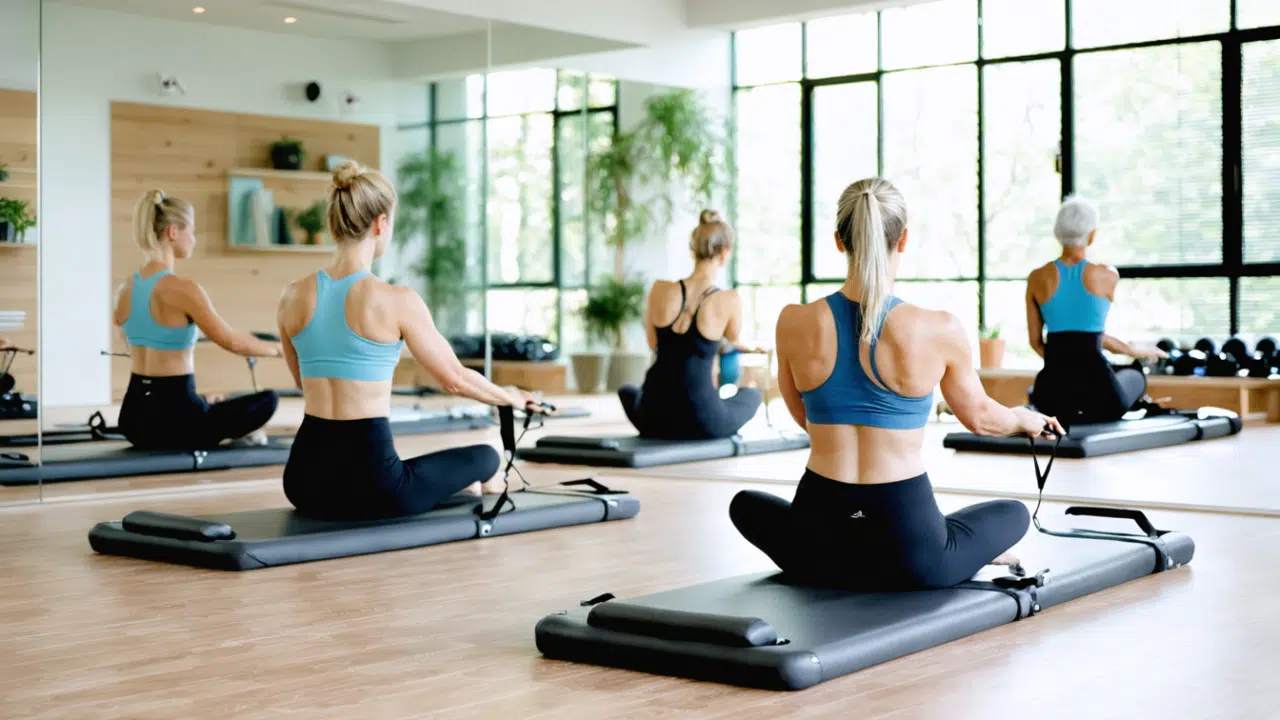
Embarking on a Pilates journey is an exciting step toward improving not only your physical strength and flexibility but also your ability to lose fat effectively. Pilates offers a unique and mindful approach to movement, focusing on core engagement and controlled exercises that promote lean muscle building and fat burning. Yet, despite its many benefits, many practitioners—especially beginners—fall into common mistakes that slow their fat loss progress or even cause injury. Pilates, championed by experts and studios such as Balanced Body and Club Pilates, involves precise technique, focused breathing, and consistency. Avoiding pitfalls like poor form, improper breathing, or rushing through exercises can significantly enhance your fat loss results.
Understanding and correcting these common missteps unleashes the true power of Pilates. Whether you’re practicing at home with Pilates Props or attending reformer classes offered by The Reformer’s Guide or Pilatesology, closing these gaps in your practice delivers a more effective fat-burning workout. As Sarita Allen and other seasoned instructors suggest, staying open to learning, listening to your body, and maintaining mindful control create the foundation for transformative fat loss.
In the sections below, discover expert-identified mistakes that often sabotage fat loss efforts through Pilates and how to avoid them. From warming up properly to embracing slow, controlled movements, and from engaging your deep core to breathing efficiently, this guide integrates insights from Power Pilates, STOTT Pilates, AeroPilates, and other methodologies to help you refine your practice for optimal fat burning in 2025.
Unlocking Fat Loss: Avoiding Preconceived Notions and Embracing Open-Minded Pilates Practice
The journey to effective fat loss through Pilates begins with an open mind. Sarita Allen, a revered Pilates instructor with over 30 years of experience, emphasizes the importance of entering each session without rigid expectations. Often, beginners come to Pilates expecting immediate, intense muscle burn akin to weightlifting or HIIT sessions. When these sensations don’t manifest, disappointment and confusion arise.
Yet, Pilates is different. Its fat-burning power lies in subtle engagement and controlled, precise movements rather than raw intensity. For example, engaging deep muscles such as the transverse abdominis and pelvic floor does not produce a fiery sensation like traditional ab exercises but profoundly impacts core strength and metabolic activation. Engaging with an open mind allows practitioners to appreciate and maximize the nuanced stimuli Pilates delivers.
Key tips for maintaining an open, effective mindset include:
- Avoid judging exercises as “too easy” or “weird”; embrace variations and philosophies from diverse Pilates systems such as Balanced Body and STOTT Pilates.
- Understand that fat loss is a gradual process enhanced by consistent Pilates practice, not instant muscle burn.
- Engage in both group and private sessions, as Sarita Allen does, to continuously expand skills and uncover new approaches to exercises.
For those exploring Pilates at home, resources like Pilates Reiki’s guide to avoiding weight loss mistakes and home Pilates circuits for fat burning provide practical inspiration, ensuring beginners appreciate Pilates as a gradual fat loss tool rather than an immediate burn workout.

| Mindset Misconception | Effect on Fat Loss | Suggested Approach |
|---|---|---|
| Expecting instant burn sensations | Leads to frustration and may abandon Pilates prematurely | Value subtle muscle engagement over intensity; progress through consistency |
| Judging exercises based on familiarity | Missed opportunities to activate diverse muscles effectively | Try various Pilates styles: AeroPilates, Power Pilates, Ballet Beautiful |
| Comparing oneself to others | Risk of injury and discouragement | Focus on personal progress and body cues |
Overall, dissolving preconceived notions enables more mindful Pilates practice, paving the way for sustained fat loss and improved body awareness.
Why Proper Warm-Ups and Controlled Breathing Boost Pilates Fat Burn
Skipping warm-ups is a common beginner mistake that impairs Pilates performance and fat loss progress. Research underscores the physiological benefit of warm-ups, promoting muscle elasticity, reducing stiffness, and enhancing energy delivery to muscles during exercise (discover Pilates breathing techniques). Pilates is no exception—investing a few minutes at the session’s start primes your body for controlled, flowing movements key to fat burning.
Among the best warm-up techniques for Pilates are gentle spinal mobilizations like Cat-Cow stretches, wall bridges, and breathing-focused exercises that awaken the deep core muscles without stressing joints excessively. Pilates Anytime and Pilatesology frequently highlight the critical role of breath in powering Pilates exercises.
Here’s a recommended warm-up checklist to prime your Pilates session:
- Dynamic stretches such as Cat-Cow to mobilize the spine
- Light activation work like Wall Pilates exercises including gentle bridges or squats
- Mindful breathing practice focusing on deep diaphragmatic breaths
- Engagement drills for core stabilization without tension buildup
Breathing in Pilates is uniquely coordinated with movement to boost power and endurance, while helping maintain spinal and pelvic alignment. Holding the breath can compromise oxygen flow and result in premature fatigue, which slows fat loss progression and diminishes workout quality. Sarita Allen’s classes stress continuous inhalations and exhalations as the “engine of the movement.”
For example, exhale as you extend your limbs during exercises like the roll-up or Pilates bar stretches, inhale during preparation and return phases. This breathing rhythm promotes muscle pliability and optimal core engagement.
| Warm-Up Component | Purpose | Benefit to Fat Loss |
|---|---|---|
| Cat-Cow stretch | Mobilizes spine and warms back muscles | Reduces injury risk; improves overall movement efficiency |
| Wall bridges | Activates glutes and posterior chain | Prepares muscles for fat burning through Pilates props use |
| Breathing exercises | Stimulates core activation and oxygenates muscles | Enhances workout endurance; increases calorie burn |
For detailed warm-ups linked with fat-burning Pilates, consult platforms like STOTT Pilates and Balanced Body, which offer routines that blend breath, movement, and muscle readiness for a powerful fat loss experience.
Perfect Form Over Speed: The Critical Role of Technique in Fat Loss with Pilates
One of the most sabotaging errors slowing fat loss in Pilates is poor form and rushing through movements. Pilates is designed to be a practice of control and precision, engaging the right muscles without compensation. Mistakes such as over-squeezing muscles, locking joints, or untimely breath holding can not only hinder fat loss but also increase injury risk.
Sarita Allen advises against “squeezing” muscles to the point of tension. For example, glute engagement should be a connection rather than a hard clench that restricts movement. This approach fosters greater mobility and allows for sustained muscle activation important for fat burning, especially in series like the abdominal or leg lifts presented in targeted Pilates routines.
Common form mistakes and corrections:
- Over-squeezing muscles: Leads to locked joints and inefficient movement. Correction: Engage muscles gently but firmly to maintain fluid motion.
- Holding static positions: Limits flow and muscle engagement. Correction: Incorporate subtle continuous movement even in “isometric” phases.
- Using momentum: Exercises like Roll-Up or double leg stretch require slow, controlled lifting. Correction: Aim for steady, smooth transitions to maximize muscle activation.
- Neglecting core engagement: Movement without core support stresses secondary muscles and hinders fat loss. Correction: “Don’t move a muscle without the core.”
- Rushing through exercises: Undermines strength building and burns fewer calories. Correction: Focus on quality reps over quantity.
To solidify effective technique, use mirrors or record your practice, as suggested by many instructors at Club Pilates or through Pilatesology online classes. Incorporating Pilates Props can also assist in maintaining correct alignment and muscle engagement during home workouts, boosting results.
| Form Mistake | Effect on Pilates Fat Loss | Corrective Action |
|---|---|---|
| Over-squeezing muscles | Joint locking reduces mobility and calorie burn | Connect without tension to maintain flow |
| Ignoring core engagement | Overuses hip flexors, weakens overall strength | Engage core before any movement |
| Rushing exercises | Less muscle activation, fewer calories burned | Slow, controlled reps |
Balancing Effort and Recovery: Avoiding Overexertion to Maximize Pilates Fat Loss
Fat loss in Pilates is best achieved through subtle challenges that build strength without pushing beyond the body’s limits. Sarita Allen shares essential insights on differentiating between challenging oneself and pushing too hard, a classic mistake that can lead to injury or burnout.
Indicators of overexertion include sharp pains, joint grinding sensations, or excessive muscle gripping. Beginners often mistake soreness or fatigue for a productive workout, while veterans like Allen modify exercises to protect joints and maintain longevity. Modifications might include:
- Reducing range of motion during leg lifts or abdominal series
- Resting the head rather than holding it unsupported
- Adjusting intensity with Pilates Props that create assistance or resistance
- Choosing lower-impact options like AeroPilates or Ballet Beautiful exercises to reduce joint stress
Balancing effort with recovery enables consistent practice, which is critical for sustained fat loss. Regularly attending to body signals and modifying exercises fosters durability and effective muscle engagement over time.
| Sign of Overexertion | Impact on Fat Loss | Recommended Adjustment |
|---|---|---|
| Sharp pain or joint grinding | Injury risk halts consistent practice | Reduce range of motion or stop exercise |
| Excessive muscle gripping | Limits fluidity and increases fatigue | Relax muscles; focus on connection, not squeeze |
| Burnout from pushing too hard | Decreased motivation and intermittent practice | Incorporate rest days and modify intensity |
Many Pilates studios, including those affiliated with Power Pilates and Balanced Body, recognize the importance of individualized adjustments and encourage practitioners to honor their own bodies’ rhythms for the best fat loss outcomes.
Consistency & Personalized Practice: The Secret to Long-Term Pilates Fat Loss Success
Perhaps the most overlooked aspect slowing fat loss progress through Pilates is inconsistency. Pilates thrives on repetition, controlled progression, and regular practice, even if sessions are brief. It is better to perform focused, short sessions with perfect form than sporadic, intense classes.
Set a routine, mark your calendar, and embrace beginner-friendly workout plans from sources such as Evergreen Clinic’s Pilates mistakes guide or Indy Maven’s Pilates tips for beginners. Even 15-minute daily Pilates exercises, focusing on core ideas from The Reformer’s Guide, can advance fat loss if performed mindfully and consistently.
Strategies to enhance consistency and personalization include:
- Integrate Pilates with complementary low-impact cardio like walking targeting fat loss (see optimized Pilates-walking combo).
- Track progress using core challenges and glow-up plans to maintain motivation.
- Use Pilates Props for variation and assistance to suit your current strength and flexibility.
- Attend classes or follow programs from trusted brands such as Club Pilates, Pilates Anytime, or Pilatesology for structured progression.
Personalization also means respecting individual journeys — avoiding harmful comparisons or ego-driven impulses to imitate others, which can lead to injury and setbacks. Sarita Allen shares that being true to your body’s signals is key to sustained success and enjoyment in Pilates fat loss practice.
| Consistency Technique | Benefit to Fat Loss | Examples |
|---|---|---|
| Short daily focused sessions | Builds muscle endurance and metabolic rate steadily | 5-15 minute core Pilates from The Reformer’s Guide |
| Combining Pilates with walking | Increased calorie burn; joint-friendly fat loss | Walk before meals + Pilates core workout |
| Tracking progress | Enhances motivation and adherence | Core challenges, 1-month glow-up plans |
