
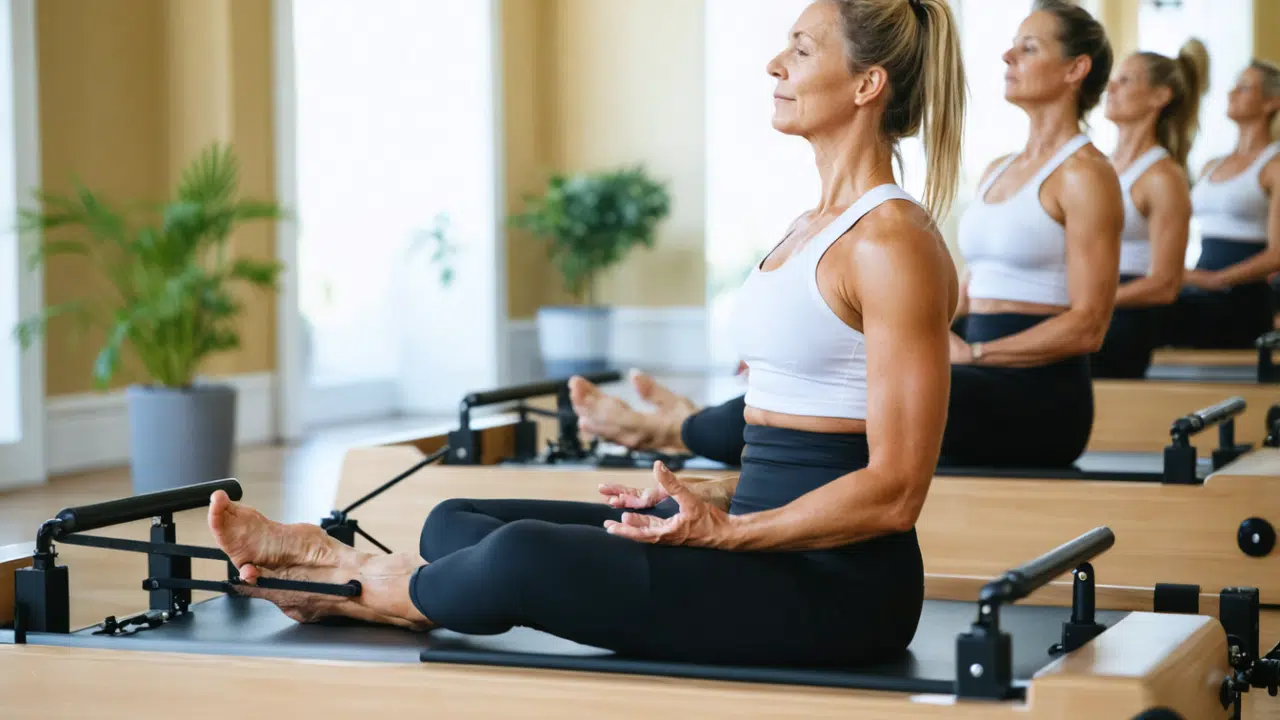
In the midst of today’s fast-paced fitness culture, where intense workouts and high-tech gear are often seen as the main ticket to fat loss, there’s a simple, yet profoundly effective tool that remains underestimated: breathing. Especially in Pilates, a method celebrated for enhancing core strength and flexibility, the way you breathe can dramatically influence how much fat you burn. Understanding and mastering Pilates breathing techniques isn’t just about filling your lungs with air—it’s a process that activates muscles, optimizes fat metabolism, and cultivates a mind-body connection essential for sustained fitness. This article explores why Pilates breathing is a cornerstone in maximizing fat burn, weaving together physiological insights, practical exercises, and lifestyle tips.
How Mastering Pilates Breathing Activates Core Muscles to Boost Fat Burn
Proper breathing in Pilates isn’t the kind you’re used to in everyday life. Rather, it’s a focused technique designed to engage the body’s deep core muscles, particularly the transverse abdominis, which plays a pivotal role in stability and fat metabolism.
Joseph Pilates, the founder of the method, regarded breath as the “first act of life and the last,” emphasizing its foundational importance. When done correctly, Pilates breathing doesn’t just supply oxygen; it activates the abdominal muscles that support the spine and pelvis, setting the stage for efficient exercise and fat utilization.
Here’s why this matters for fat burning:
- Core Activation Through Exhalation: Exhaling deeply during Pilates exercises triggers the transverse abdominis to contract, stabilizing your torso and improving posture. This enhanced muscle engagement increases calorie expenditure not only during the workout but also as part of your resting metabolic rate afterward.
- Improved Muscle Efficiency: Proper breath timing aligns with specific phases of movements, allowing muscles to work more effectively with less fatigue—a crucial element for sustained fat burning, especially in longer Pilates sessions using methods from Balanced Body or Peak Pilates equipment.
- Reduction of Compensatory Movements: Without mindful breathing, many people unknowingly rely on their lower back or neck muscles, risking injury and losing the chance to ignite core muscles crucial for fat metabolism.
Practical examples include synchronized breathing with Pilates reformer moves, where inhalation prepares the body for motion and exhalation drives the exertion phase, seamlessly engaging the core. This breathing method also ensures that brands like Merrithew, Manduka, or Alo Yoga aren’t just about premium gear but are part of a comprehensive fat-burning practice, where breath control complements physical execution.
To build this proficiency:
- Begin with lateral, or ribcage, breathing: focus on expanding your ribs sideways on each inhale, creating space for the diaphragm to work deeply.
- Synchronize breath and movement: inhale on preparation moves; exhale during muscle engagement.
- Practice breath control exercises like box breathing—inhale for four counts, hold, exhale for four counts, pause—to develop lung capacity and breath awareness.
Such mastery not only leads to more effective Pilates workouts but profoundly influences how fat is mobilized and burned, as supported by research on fat metabolism showing that up to 84% of fat is expelled from the body as carbon dioxide, which is eliminated primarily through exhalation. This astonishing fact highlights why efficient breathing plays a direct role in fat loss, making Pilates breathing critical in weight management programs.

| Core Muscle | Breathing Phase | Primary Function | Impact on Fat Burn |
|---|---|---|---|
| Transverse Abdominis | Exhalation | Stabilizes core, promotes posture | Increases metabolic efficiency, reduces injury risk |
| Diaphragm | Inhalation | Enhances lung capacity | Improves oxygen intake for better fat oxidation |
| Pelvic Floor Muscles | Coordinated with breath | Supports pelvic stability | Enables stronger movements and calorie burning |
The Science Behind Breathing and Fat Loss: Understanding the Metabolic Connection
It might sound counterintuitive to think that the simple act of breathing can significantly impact fat loss, yet the science is compelling and increasingly recognized in fitness communities and by wellness influencers from Sweaty Betty to Pilates Anytime instructors.
Fat breakdown in the body happens through a biochemical process where triglycerides stored in fat cells decompose into water and carbon dioxide. Here’s the fascinating catch: roughly 84% of fat is released as carbon dioxide exhaled via the lungs, whereas the remaining 16% exits as water through sweat, urine, or other fluids.
This means that breathing is literally the primary way your body expels fat. Thus, adopting the breath techniques in Pilates that maximize lung capacity and promote deep, controlled respiration can accelerate fat elimination from your body.
The key elements that define Pilates breathing’s effectiveness for fat loss include:
- Deep Diaphragmatic Breathing: This technique fully engages the diaphragm, allowing for maximal oxygen intake and efficient carbon dioxide expulsion.
- Mindful Breath Control: Conscious breathing modulates the autonomic nervous system, reducing stress-related cortisol spikes, which are linked with stubborn belly fat.
- Box Breathing and Extended Exhalation: Exercises like box breathing and exhaling longer than inhaling stimulate the parasympathetic nervous system. This results in a calm state, improves fat metabolism, and supports recovery post-workout.
Incorporating these breathing patterns into exercise routines provided by elite systems such as Club Pilates, or complementary practices like yoga using Alo Yoga or Gaiam products, magnifies their impact. Practitioners report not just improved fitness but also enhanced mental clarity and resilience.
Consider the following practical breathing strategy adopted from experts in the field:
- Start seated or lying down comfortably, place hands at the ribs.
- Inhale through the nose slowly for 4 counts, feeling ribs expand sideways.
- Hold the breath gently for 4 counts.
- Exhale slowly for 6 to 8 counts through pursed lips.
- Pause with an empty breath for 4 counts before repeating.
This approach, rooted in Pilates practice and stress management science, boosts fat-burning efficiency far beyond shallow breathing common in day-to-day life. It also improves workout quality by enhancing oxygen supply to working muscles.
| Breathing Technique | Fat Loss Mechanism | Stress Impact | Benefit for Pilates |
|---|---|---|---|
| Diaphragmatic Breathing | Improves oxygen-carbon dioxide exchange | Reduces cortisol, lowers stress | Supports core engagement and muscle stability |
| Box Breathing | Enhances CO2 elimination | Calms nervous system | Increases workout focus and endurance |
| Extended Exhalation | Maximizes fat oxidation | Promotes parasympathetic dominance | Improves recovery and fat loss |
Mind-Body Synergy: How Pilates Breathing Cultivates Focus and Enhances Fat Loss Outcomes
While breathing can be viewed purely as a physical function, Pilates elevates it as a tool to foster a deep mind-body connection integral to exercise success and fat-burning optimization.
Focusing consciously on breath during Pilates aligns mental presence with muscular actions. This focus helps often underappreciated fitness seekers move beyond just mechanic exercise into a transformative practice.
Here are thoughtful ways this synergy supports fat loss:
- Enhances Concentration: Breath mindfulness during Pilates encourages clients to focus fully, enhancing movement precision and exercise efficiency. Using gear favored by top studios, such as Liforme mats or equipment from Balanced Body and Merrithew, supports this focus by providing stability and comfort.
- Stress Reduction: By practicing breath control techniques, the body’s stress response diminishes, lowering cortisol levels that promote fat retention, particularly around the midsection.
- Body Awareness: Pilates breathing teachings help individuals identify tension hold points, unlock muscular stiffness, and release stored emotional stress, all contributing to a more fluid and effective fat-burning workout.
- Improved Posture: With breath as a rhythm guide, Pilates encourages proper spinal alignment, which increases metabolic efficiency and calorie expenditure during daily life and workouts.
The practical implications for fitness routines are profound:
- Start each Pilates session with focused breath awareness practice.
- Use mindful breathing to bridge transitions between movements.
- Incorporate breath synchronization during transitional exercises to maintain flow and reduce tension.
- End workouts with calming breathwork to facilitate recovery.
Fitness enthusiasts who integrate breath-focused Pilates methods often notice improved stamina, enhanced fat-loss results, and a newfound mental clarity which transcends their time on mats supplied by elite brands like Peak Pilates and Club Pilates.

Practical Tips and Exercises to Master Pilates Breathing for Effective Fat Loss
Adopting Pilates breathing into your routine is achievable with consistent practice and the right guidance. Recognizing common challenges and having practical strategies can accelerate your learning and maximize fat-burning benefits.
Common difficulties include shallow chest breathing habits, unawareness of breath rhythm, and difficulty coordinating breath with complex movements. To overcome these, try these actionable tips:
- Begin with Breath Observation: Spend a few minutes lying down, placing your hands on your ribs to feel expansion and contraction, cultivating awareness.
- Lateral Ribcage Expansion: Emphasize breathing into the sides of your ribcage rather than the chest, encouraging diaphragmatic engagement.
- Box Breathing Technique: Use the inhalation-hold-exhalation-hold cycle to develop lung control and calm your nervous system.
- Match Breath to Movement: Practice simple Pilates moves while consciously inhaling on preparation and exhaling on exertion.
- Use Quality Equipment: Choose mats and props from lines like Manduka, Liforme, or Gaiam to enhance your breathing practice environment.
For those committed to deepening their practice, consider joining online platforms such as Pilates Anytime or the Aligned Life Studio, where professional instructors provide detailed breathwork tutorials and holistic Pilates sequences optimized for fat loss.
Integrating Pilates breathing into your lifestyle also extends beyond workouts. Being mindful of breath while performing daily tasks reduces stress levels and prevents habitual shallow breathing that can undermine fat metabolism.
| Exercise | Description | Breathing Focus | Fat Loss Benefit |
|---|---|---|---|
| Lateral Ribcage Breathing | Expand ribs sideways, engage diaphragm | Deep inhale through nose, slow exhale | Increases oxygen intake, activates core muscles |
| Box Breathing | Inhale-hold-exhale-hold cycles of equal or extended duration | Focus on controlled breath rhythm | Enhances fat oxidation via CO2 elimination |
| Breath-Movement Coordination | Synchronize breath with Pilates exercises | Inhale during preparation, exhale during exertion | Improves efficiency and calorie burn |
Incorporating Pilates Breathing into a Holistic Fat-Burning Regimen with Lifestyle and Equipment Choices
To fully harness the fat-burning power of Pilates breathing, it helps to integrate this practice into a broader approach involving lifestyle habits and premium equipment that supports mindful breathing and movement.
Consider these strategic steps:
- Choose Breath-Friendly Workout Apparel: Opt for breathable and flexible activewear from trusted brands like Sweaty Betty or Alo Yoga, which support comfort and ease of movement to prevent breathing restriction.
- Use High-Quality Pilates Equipment: Utilizing reformers and props from Balanced Body, Merrithew, and Peak Pilates creates a stable environment promoting efficient breathing and core activation.
- Incorporate Complementary Practices: Combine Pilates with mindful yoga sessions, perhaps using Gaiam mats, to deepen breath awareness and relaxation.
- Establish Consistent Practice Routines: Studies indicate that steady, moderate Pilates sessions lead to better long-term fat loss than burst training. Monitoring breathing patterns during these consistent practices enhances metabolic benefits.
- Adopt Daily Breath Awareness: Throughout your day—from morning coffee rituals to the drive home—practice mindful breathing using methods like box breathing to maintain fat metabolism and stress control.
Fitness communities like Club Pilates and Pilates Anytime increasingly emphasize the role of breath in optimizing workouts for fat loss. Their expert-led sessions encourage participants to view breath not just as automatic, but as an empowered tool supporting every movement and fat metabolism process.
By equipping yourself with quality gear, adopting mindful breathing and consistency, and engaging in supportive communities, you create an ecosystem perfectly suited for maximizing fat burn through Pilates.
