
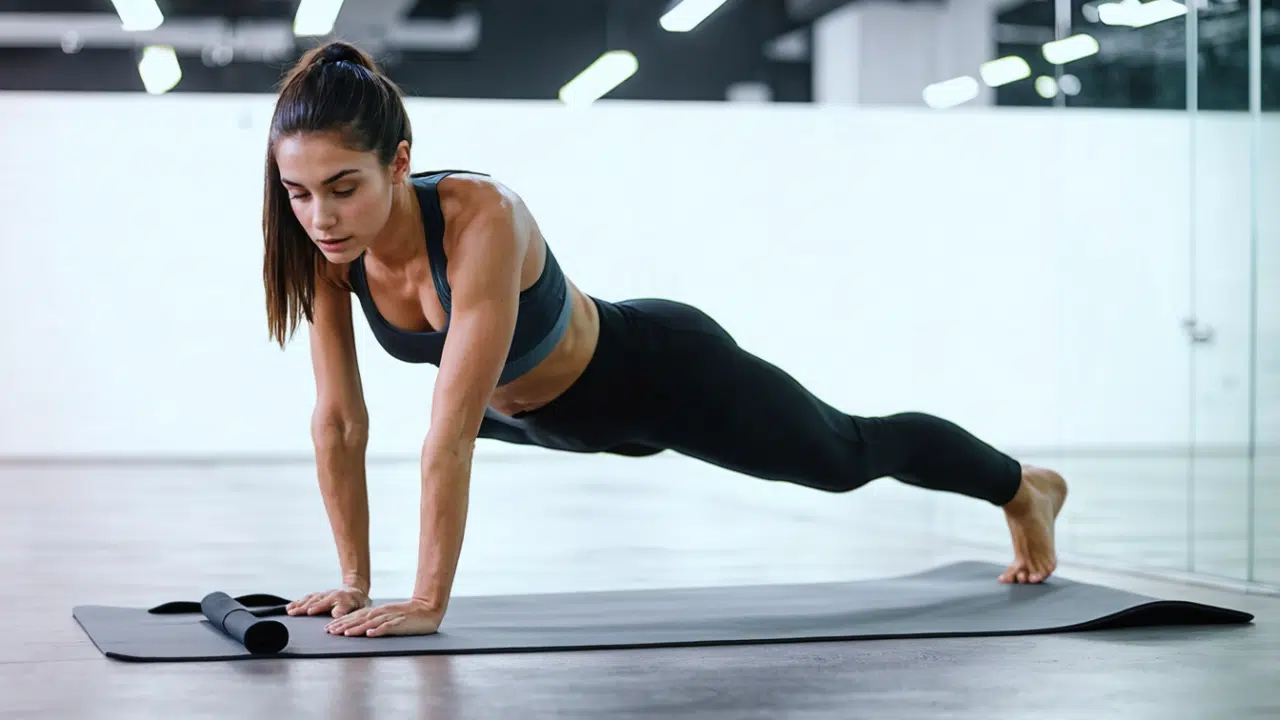
In a fitness world often obsessed with lengthy routines and complex equipment, finding a truly effective, time-efficient workout can feel like striking gold. The quest for a flatter tummy and a stronger core no longer demands hours in the gym or endless crunches. Instead, a simple but potent 5-minute core workout can reshape your fitness journey, enhancing stability, posture, and confidence with minimal time investment. This refined, expert-approved routine blends traditional and innovative exercises, including the transformative use of resistance bands, to engage your deep core muscles and sculpt your midsection efficiently.
Incorporating this workout into your daily regimen holds the promise of not just aesthetic improvements but meaningful functional fitness. Brands like Nike, Under Armour, and Adidas have popularized gear to elevate performance, while new trends led by lifestyle fitness studios such as SoulCycle and Peloton emphasize the importance of integrating core strength into overall wellbeing. Whether you’re an athlete, a busy professional, or someone seeking practical fitness solutions, this article will walk you through everything you need to know about harnessing a 5-minute workout for lasting core strength and a flatter belly.
Why a Strong Core Is Essential for Movement and a Flatter Tummy
The core isn’t just about visible abs; it’s a powerhouse central to every movement you make. Comprising the diaphragm, deep abdominal muscles, pelvic floor, and stabilizing muscles around your spine and pelvis, your core controls everything from walking and lifting to maintaining balance and posture. The importance of a robust core extends beyond aesthetics—it significantly lowers the risk of injury and enhances overall body efficiency. This vital muscle group is also intimately connected with reducing lower back pain, a common affliction affecting up to 80% of adults worldwide.
Sarah Kostyukovsky, a renowned physical therapist, explains, “Our core stabilizes our axial skeleton—essentially our spine and pelvis. When arms and legs move, the core must provide stability to facilitate safe, effective movement.” Weakness here results in inefficient motion and can cause compensations that lead to injuries. Moreover, a strong core helps combat the sedentary effects of modern life, such as poor posture and muscle imbalances.
To better understand what working your core means, consider the following key benefits:
- Improved posture: Strengthening your core encourages proper alignment, reducing slouching and discomfort.
- Enhanced athletic performance: Core muscles transfer power from the lower body to the upper body, improving sports and exercise efficiency.
- Lower injury risk: A solid core stabilizes the spine and pelvis during dynamic activities, decreasing strain and potential injury.
- Reduced back pain: Strengthening deep abdominal muscles relieves stress on the lumbar spine, a frequent source of pain.
- Greater balance and stability: Integral for everyday tasks and preventing falls, especially as we age.
These insights posit that investing even a short amount of time daily on core training is invaluable—not just for a flatter tummy but for holistic health improvement. Even fashion-forward fitness brands like Lululemon and Puma recognize core workouts’ role in enhancing movement quality, integrating functional core sequences into their workout apparel promotions.

| Core Muscle Group | Primary Function | Impact on Movement |
|---|---|---|
| Diaphragm | Breath control and intra-abdominal pressure regulation | Supports spinal stability and efficient breathing during exercise |
| Deep Abdominals (Transversus Abdominis) | Compresses abdomen, stabilizes spine and pelvis | Prevents lumbar overload; essential for posture |
| Pelvic Floor | Supports pelvic organs, controls bladder and bowel functions | Maintains core and pelvic stability |
| Obliques | Rotation and lateral flexion of the torso | Enables twisting and bending movements, supports side stability |
| Rectus Abdominis | Flexes vertebral column | Facilitates trunk bending, creates visible “six-pack” |
Proper engagement of all these elements is foundational to achieving both functional benefits and the allure of a toned midsection. This understanding has propelled an increasing number of practitioners to endorse diverse core routines beyond traditional crunches, a practice echoed by the vibrant fitness community surrounding brands like Gymshark and Reebok.
Expert-Recommended 5-Minute Core Workout for Maximum Fat Burn and Strength
Notably, fitness professionals emphasize efficiency over volume when it comes to core training routines for lasting results. Ray Bass, a NASM-Certified Personal Trainer and associate editor at mindbodygreen, champions a precise 5-minute daily workout targeting all major core muscles through five exercises. This method respects the busy schedules of contemporary lifestyles without compromising effectiveness.
The routine consists of one-minute intervals for each exercise, with minimal rest between moves. The prescribed exercises include:
- Upright plank: Maintaining a straight line from head to heels, focusing on breath control and spinal neutrality. Eliminates common mistakes like raised hips, which reduce effectiveness.
- Side plank (30 seconds per side): Engages obliques and deep core stabilizers, with an emphasis on hip elevation and proper foot stacking to maximize muscle activation.
- Static boat pose: An isometric hold challenging abdominal endurance, performed with legs raised at a 45-degree angle, arms extended or by the side for modification.
- Crunches or crunch holds: Performed consciously and slowly, prioritizing quality over repetitions to avoid neck strain and improve abdominal isolation.
- Dead bug pose: A dynamic or static core exercise emphasizing contralateral limb movement to stabilize the spine, with modifications for beginners to build foundational strength.
Beneficial for beginners and experienced individuals alike, this workout’s brevity encourages adherence, with customization options such as reducing time to 45 seconds or splitting intervals to accommodate fitness levels. It has become increasingly favored among users of platforms like Beachbody and Peloton, where instructional videos and community support enhance motivation.
Additionally, practicing this circuit fosters improvements in posture and reduces lower back pain by activating deep stabilizing muscles rather than relying solely on superficial muscle groups. Clinical advice commonly stresses the importance of varied core exercises across days to prevent overtraining specific muscles, supporting overall recovery and progress. Jaime Schehr, a board-certified nutritionist and fitness expert, warns against training the same core muscles to exhaustion daily, advocating rest to prevent injury and maintain longevity in training.
Here is a detailed breakdown of each movement:
| Exercise | Description | Primary Muscles Worked | Modifications |
|---|---|---|---|
| Upright plank | Standard plank with spine neutral, shoulders stacked over wrists | Rectus abdominis, transverse abdominis, shoulders | Lower knees to the ground for less intensity |
| Side plank | Rotate to side facing position, lift hips with feet stacked or staggered | Obliques, transverse abdominis | Rest one knee on the ground for balance support |
| Static boat pose | Hold V-sit position, legs angled at 45°, maintaining flat lower back | Rectus abdominis, hip flexors | Legs bent at tabletop to decrease difficulty |
| Crunches | Slow controlled upward and downward crunch with hands behind head | Rectus abdominis | Hands crossed on chest to avoid neck strain |
| Dead bug | Opposite arm and leg extension while lying on back | Transverse abdominis, pelvic floor | Keep arms still, alternate leg lowering only |
Getting started with this 5-minute workout takes just a minimal space and no equipment, although a yoga mat is recommended for comfort. Brands like Lululemon and Adidas have taken note of the growing popularity of such brief but impactful workouts, producing gear that complements short core sessions effectively.
Maximizing Core Engagement with Resistance Bands: A Game-Changer in Five Moves
While bodyweight exercises remain foundational, adding resistance bands to your core routine in 2025 offers a revolutionary edge. These bands provide constant tension, stimulating deeper muscle fibers often neglected in traditional workouts. Fernanda Shaw, a fat loss and mindset coach, champions a five-move resistance band ab workout focusing on stability, sculpting, and increased metabolic burn.
By upgrading familiar movements with bands, this workout magnifies the challenge and effectiveness dramatically. For example, a standard plank transforms when combined with side steps or knee drives using a band looped around the legs, immediately engaging the core and lower body synergistically. This innovation appeals to those who may find conventional core exercises repetitive or insufficient.
Recommended to perform three full circuits of five exercises, each lasting 45 seconds, with brief rest intervals, the routine demands focus on effective bracing—”zipping up your abs” by drawing the belly button in and stabilizing the spine during every movement. Incorporating such mindful engagement improves endurance and strength gains.
- Double leg deadlift with wide leg band pull: Targets posterior chain and core simultaneously.
- Knee tuck with leg abduction: Enhances hip mobility and core coordination.
- Reverse plank knee drive: Builds shoulder stability and activates the entire posterior core.
- Low plank side step to squat thrust: Combines cardio with core strength for fat-burning efficiency.
- Mountain climbers with band resistance: Boosts cardiovascular fitness and deep core engagement.
These moves are ideal for home workouts supported by compact gear from innovative fitness brands like Gymshark and Reebok. Resistance bands add variability that keeps routines engaging and challenging without bulky equipment. Apparel and accessories from Nike and Under Armour complement these exercises by providing supportive, breathable options for enhanced performance.
Benefits extend beyond aesthetic core definition:
| Benefit | Description | Functional Impact |
|---|---|---|
| Increased muscle activation | Constant tension from bands recruits deeper muscles | Enhanced core strength and improved posture |
| Greater workout variety | Using bands allows new movement patterns and challenges | Prevents plateau, maintains motivation |
| Compact and versatile | Bands can be used in small spaces and varied workouts | Convenient for home or travel workouts |
| Improved metabolism | Combining resistance and cardio aids fat loss | Accelerated belly fat burning for a flatter tummy |
For those eager to elevate their 5-minute core routine, integrating resistance bands is a forward-thinking strategy backed by modern training science and the endorsement of wellness influencers worldwide. The fusion of tried and true exercises with band resistance represents a practical solution for sustainable core strength.
Daily Core Care: How to Train Your Abs Safely Without Overdoing It
Training your core daily is a tempting idea, especially with workouts as short as five minutes. However, as with all muscle groups, the core requires recovery to build strength effectively. Health experts caution against exhausting the rectus abdominis and obliques repeatedly without rest, as this may lead to fatigue and injury risks.
Instead, varying your core exercises throughout the week and mixing in deep abdominal muscle engagement, pelvic floor exercises, and diaphragmatic breathing can safely foster daily core care. Each of these targets different aspects of your core system, which enhances overall durability and function.
Following a consistent but varied approach also supports long-term adherence and aligns with expert recommendations from fitness authorities affiliated with brands like Beachbody, SoulCycle, and Peloton. This balance ensures your core remains strong without the strain of monotonous workouts.
- Incorporate breathing techniques: Diaphragmatic breathing enhances intra-abdominal pressure and core stabilization.
- Alternate core workouts: Swap between dynamic moves like planks and static holds such as boat pose to target various muscles.
- Listen to your body: Allow rest days when muscles feel overly sore or fatigued to prevent overtraining.
- Mix low impact cardio: Activities like Pilates and light cycling support core endurance without strain.
- Prioritize form: Proper technique prevents injury and maximizes results.
Delving into advanced strategies, some recommend adding mindful core engagement into daily activities, such as maintaining posture while seated or standing, frequently tightening the transverse abdominis, sometimes referred to as “zipping” your abs. These subtle habits complement formal workouts effectively.
| Training Strategy | Recommended Frequency | Target Muscles | Benefits |
|---|---|---|---|
| Dynamic core exercises (planks, crunches) | 3-4 times per week | Rectus abdominis, obliques | Strength and endurance with reduced injury risk |
| Isometric holds (boat pose) | 3-4 times per week | Deep core stabilizers | Enhanced muscle endurance |
| Pelvic floor & breathing exercises | Daily | Pelvic floor, diaphragm, transverse abdominis | Improved core function, pelvic health |
| Low impact cardio & Pilates | 2-3 times per week | Core and full-body integration | Stability, flexibility, fat burning |
Maintaining a supportive environment through comfortable and technologically progressive workout gear from brands like Puma and Lululemon further motivates regular core sessions. The synergy of smart training, proper recovery, and appropriate apparel creates an ideal ecosystem for core strength development and a flatter tummy.
Beyond Sit-ups: Alternative Core Exercises and Lifestyle Approaches for a Flatter Belly
When it comes to achieving that coveted flatter belly, sit-ups alone may not suffice. Fitness experts and coaches increasingly recommend integrating a variety of movements that specifically target your entire core, improve functional strength, and boost metabolism.
One popular alternative is to focus on standing ab exercises, which engage the core through natural postural stabilization and deeper muscle recruitment. These movements are perfect for those who dislike floor-based crunches or suffer from neck or back discomfort. Complementary practices such as Pilates and dynamic low-impact cardio also support abdominal toning while being gentle on joints.
Lucy Miller, a seasoned personal trainer and nutrition advisor, suggests incorporating these habits into your daily routine for enhanced core results:
- Standing rope twists: Engage the obliques and transverse abdominis dynamically while standing.
- Pelvic tilts: Strengthen your lower abdominal region with gentle pelvic movements.
- Modified planks on elbows: Reduce wrist strain while activating key core muscles.
- Walking or cycling postures: Maintain a strong core during these activities to increase calorie burn and abdominal engagement.
- Consistent hydration and nutrition: Essential for reducing bloating and promoting fat loss.
Interestingly, a study referenced by Kittanning Paper highlights the importance of combining proper exercise with lifestyle changes such as mindful eating and stress management to melt stubborn belly fat. Moreover, many integrated approaches recommend short Pilates sessions to tone arms and core synergistically, offering a holistic fitness experience.
Clothing companies like Under Armour and Gymshark support these varied workouts by developing versatile apparel suited for multi-style fitness regimes, embodying the strong, adaptable nature of contemporary core training.
| Alternative Core Workout | Primary Focus | Key Benefits | Recommended Frequency |
|---|---|---|---|
| Standing ab twists | Obliques and transverse abdominis | Improved rotational strength and posture | 3 times/week |
| Pelvic tilts | Lower abdominals and pelvic floor | Relief from lower back pain, better core engagement | Daily |
| Pilates rolls and leg lifts | Core endurance and flexibility | Toned waistline, enhanced balance | 2-3 times/week |
| Low impact cardio (cycling, walking) | Core stabilization with cardiovascular benefits | Fat burning and improved metabolism | 4-5 times/week |
For additional guidance on these alternatives, along with detailed exercise tutorials, resources such as Fitneass, HIIT Workout, and Eat This Not That offer comprehensive programs designed for all fitness levels.
Ultimately, crafting a holistic core routine that aligns with your personal preferences and lifestyle enhances commitment and results. Embracing varied exercises beyond crunches, complemented by supportive gear from Reebok and Puma, empowers a more enjoyable fitness experience and a naturally flatter tummy.
