
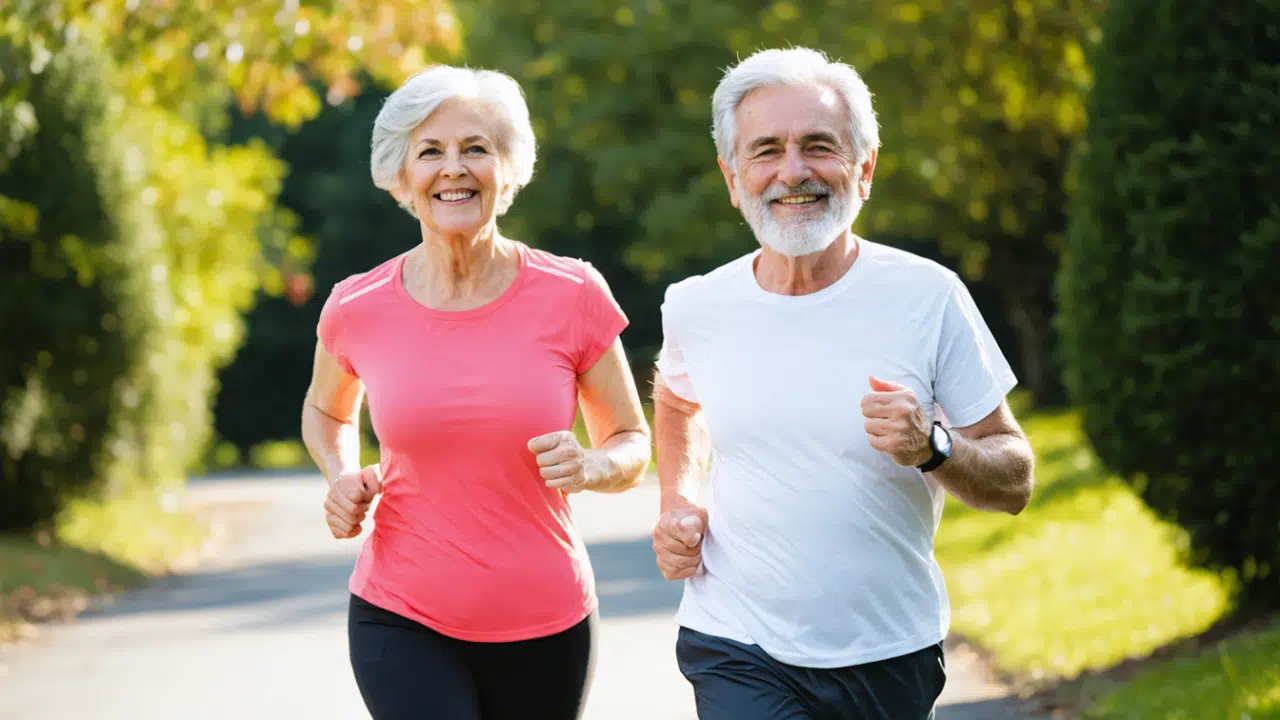
Knee pain is a common obstacle for many seniors aiming to maintain an active lifestyle, yet quitting cardiovascular exercise is not the only option. Low-impact cardio routines specifically tailored for those grappling with sore or arthritic knees can keep the body moving, strengthen muscles, enhance joint flexibility, and elevate overall health. With advances in fitness equipment designed to reduce joint strain and a clearer understanding of safe movement, seniors can enjoy tailored workouts that respect their bodies’ limits. This article explores the most effective low-impact cardio options in 2025, blending expert advice, practical exercises, and modern supportive technologies to empower seniors living with knee discomfort to reclaim their fitness journeys.
Why Low-Impact Cardio Exercises Are Essential for Seniors with Knee Pain
As we age, the natural degeneration of cartilage and ligaments around the knees often brings persistent discomfort, commonly seen in osteoarthritis and other joint-related conditions. High-impact aerobic activities, while excellent for heart health and weight management, can exacerbate knee pain and lead to further joint damage. Therefore, engaging in low-impact cardio exercises that limit stress on the knee joint is vital for seniors committed to staying healthy without sacrificing joint integrity.
Low-impact workouts offer numerous benefits by:
- Enhancing muscle strength around the knees: Reinforced musculature provides better knee support, reducing strain on the joints themselves.
- Increasing joint stability: Steadier, more flexible joints diminish the risk of falls and secondary injuries.
- Reducing inflammation and joint pain: Gentle movement encourages circulation that improves healing and reduces stiffness.
- Supporting weight management: Keeping excess weight off helps minimize unnecessary knee pressure.
- Boosting cardiovascular health: Even mild to moderate aerobic exercises increase heart function without knee joint compromise.
Exercises such as walking, cycling, swimming, and water aerobics exemplify activities that combine cardiovascular benefits with joint-friendly motions. For instance, aquatic workouts support body weight, significantly lowering joint impact while the resistance of water builds muscle strength. This combination served as a game changer for seniors aiming to reduce knee pain during exercise in clinics and homes alike throughout 2025.
Business giants like NordicTrack, Sunnny Health & Fitness, and LifeFitness have contributed much by developing elliptical machines and recumbent bikes crafted specifically to improve workout comfort for individuals with knee issues. Similarly, the WaterRower merges low-impact benefits with a full-body aerobic challenge, encouraging smooth, controlled movements to avoid knee overuse. Meanwhile, simple yet structured protocols introduced in 2025 leveraged these machines to craft rehabilitation-centered cardio routines.
| Key Benefits of Low-Impact Cardio | How It Helps Knee Health |
|---|---|
| Muscle strengthening | Protects knee joints from excessive pressure |
| Improved flexibility | Reduces stiffness and enhances range of motion |
| Weight management | Decreases load on knees, slowing joint wear |
| Cardiovascular endurance | Supports heart health without high joint impact |
| Enhanced stability | Lowers risk of falls and knee injury aggravation |
To explore more on the scientific basis of these strategies and access comprehensive exercise examples for arthritis and knee pain, reputable resources include Facts & Physio and Home Fitness Life. Their practitioners highlight that consistent, sensible control over one’s activity level can genuinely improve quality of life without risking joint health.

Expert-Recommended Low-Impact Cardio Exercises for Seniors with Knee Pain
When selecting cardio exercises appropriate for seniors battling knee discomfort, focus centers on maintaining movement that neither jolts nor aggravates vulnerable joints. Professionals across physical therapy and sports medicine suggest implementing routines emphasizing knee-friendly mechanics paired with gradual intensity progression.
Below is a curated list of some of the most effective options:
- Recumbent Cycling: Bikes such as Recumbent Bikes and models from Schwinn provide back support, reducing direct knee pressure and allowing comfortable, sustained cardio.
- Elliptical Trainers: Elliptical Fitness machines simulate walking or running motions without the pounding impact. Brands like ProForm and Stamina have popularized machines with adjustable resistance to suit joint-tolerant workouts.
- Water Activities: Swimming and aqua jogging harness the power of buoyant water to support body weight, making activities low-impact but highly effective in cardiovascular enhancement.
- Walking: Properly paced walking, especially on softer surfaces such as tracks or treadmills with cushioning features, remains foundational. Footwear from manufacturers specializing in cushioning and joint support can further ease pressure on knees.
- Tai Chi and Chair Yoga: These practices emphasize gentle movements, balance, and breath control, which have demonstrated benefits in joint mobility and stress reduction among seniors.
Real-World Example: Margaret, a 72-year-old retiree, avoided high-impact activities for years due to knee osteoarthritis. Since starting a routine featuring a WaterRower combined with twice-weekly chair yoga sessions, she reports less stiffness and improved daily stamina.
| Exercise | Benefits for Knee Health | Recommended Equipment |
|---|---|---|
| Recumbent Bike | Low joint strain, improved cardiovascular endurance | Schwinn, LifeFitness models |
| Elliptical Trainer | Simulates running motions with low impact | ProForm, Stamina |
| Water Walking | Buoyancy reduces load, strengthens muscles | Community pool or aquatic center facilities |
| Walking (soft surfaces) | Gentle on joints, accessible activity | Supportive footwear recommended |
| Chair Yoga / Tai Chi | Flexibility, balance, mental relaxation | Yoga mats, sturdy chairs |
For a comprehensive guide to staying active without aggravating joint pain, consider the advice available at LiveStrong and NMortho. Their curated content helps seniors customize workouts according to their pain threshold and health needs.
Smart Techniques for Exercising Safely Despite Knee Pain
Knowing how to protect your knees during exercise is just as critical as selecting the right activities. Safety-focused approaches and mindful attention to body signals prevent flare-ups and facilitate recovery.
Below are some prudent guidelines:
- Warm-up Adequately: Five to ten minutes of easy movements such as slow marching or arm circles improves circulation to muscles and joints, prepping them for harder efforts.
- Listen to Your Body: Mild discomfort can be normal; however, sharp pain indicates the need to halt activity and reassess your approach.
- Maintain Proper Posture and Alignment: When standing, ensure knees remain aligned over toes to avoid undue joint stress.
- Utilize Supportive Equipment: Deployed items like knee braces, cushioned shoes, or holding onto a chair or Teeter balance apparatus can improve safety and confidence.
- Start Small: Begin with short, frequent sessions rather than lengthy and intense workouts. Gradual progress often leads to sustainable gains.
- Consult Professionals: Collaborate with physical therapists or medical professionals before embarking on new routines, especially if pain has been severe or injuries recent.
Experienced trainers recommend maintaining a holistic mindset when exercising with knee pain—combining flexibility, strength, balance, and moderate cardio components. The integration of NordicTrack and Sunny Health & Fitness user-friendly machines tailored for seniors accentuates this balanced approach.
| Safety Strategy | Impact on Knee Pain Management |
|---|---|
| Proper warm-up | Decreases joint stiffness, prepares muscles |
| Listening to pain signals | Prevents overexertion and injury |
| Correct alignment posture | Minimizes joint stress during movement |
| Use of supportive devices | Enhances stability and confidence |
| Consistent moderate exercise | Builds endurance without strain |
For detailed safety tips and exercises adapted for joint preservation, check expert insights published by Physioubk and FitFab50. These resources reflect the 2025 consensus on reducing risks while maximizing fitness benefits in populations challenged by arthritis or knee injury.
Creating a Balanced Weekly Cardio Routine with Low-Impact Focus
Consistency and balance are crucial to long-term success managing knee pain while staying active. A well-rounded schedule blends strength, flexibility, and cardiovascular workouts over the course of the week, permitting time for recovery.
Here is an example routine suited for seniors starting their journey:
| Day | Focus | Duration | Key Exercises |
|---|---|---|---|
| Day 1 | Strength | 15-20 minutes | Seated leg raises, wall push-ups, resistance band arm work, heel slides |
| Day 2 | Flexibility & Balance | 15-20 minutes | Chair yoga, standing calf raises, Tai Chi |
| Day 3 | Cardiovascular Endurance | 15-20 minutes | Stationary recumbent biking, water walking, step touch side to side |
Including equipment such as a WaterRower or a Recumbent Bike from trusted fitness brands can provide efficient support throughout these sessions. Success stories like Margaret’s encourage newcomers to start with manageable time increments, steadily increasing duration as strength grows.
- Schedule Regular Times: Build exercise habits by marking sessions on your calendar and viewing them as essential appointments.
- Start Small: Even a daily 10-minute activity sets the foundation for progress.
- Buddy Up: Exercising with a partner increases motivation and safety.
- Track Progress: Use journals or apps to celebrate improvements and adjust goals.
- Make It Fun: Enjoy music or podcasts during workouts to foster continued engagement.
For further inspiration on building effective, joint-friendly fitness circuits and core workouts that complement the cardio regime, readers can explore Pilates fat-burning circuits and core strengthening exercises. These routines enhance overall fitness while respecting joint safety.

Leveraging Modern Equipment and Community Support to Maximize Low-Impact Cardio Success
The rise of technology and support networks has transformed how seniors approach fitness, replacing isolation and uncertainty with accessible resources and equipment encouraging safe, effective cardiovascular training.
Cutting-edge machines, such as those manufactured by LifeFitness and Sunny Health & Fitness, include ergonomic designs with adjustable settings to reduce joint pressure. Recumbent bikes and elliptical trainers today offer multiple resistance levels, heart rate monitoring, and cushioned support. For seniors with balance concerns, tools like the Teeter inversion table enable core strengthening and spinal decompression without kneeling or joint load, indirectly benefiting knee health.
Equally valuable is the community aspect. Local group classes focusing on gentle water aerobics, Tai Chi, or chair yoga foster social connections that motivate commitment and mental well-being. Online platforms, including video tutorials and forums, enable seniors to access expert advice anytime, tailoring routines to their evolving needs.
| Equipment/Support | Advantages for Knee Pain | Suggested Brand/Product |
|---|---|---|
| Recumbent Bikes | Back support, reduced joint strain | Schwinn, LifeFitness |
| Elliptical Trainers | Simulates aerobic movements smoothly | NordicTrack, ProForm |
| Inversion Table | Enhances spinal health, core strength | Teeter |
| Water Aerobics | Low-impact full body resistance | Local aquatic centers, pools |
| Online Fitness Communities | Motivation, expert guidance | Fitness forums, video services |
For seniors beginning their cardio journeys this year, starting with reputable resources is invaluable. Sites like Hashimashi and Mindrofy offer detailed guidance tailored to joint-sensitive fitness.
