
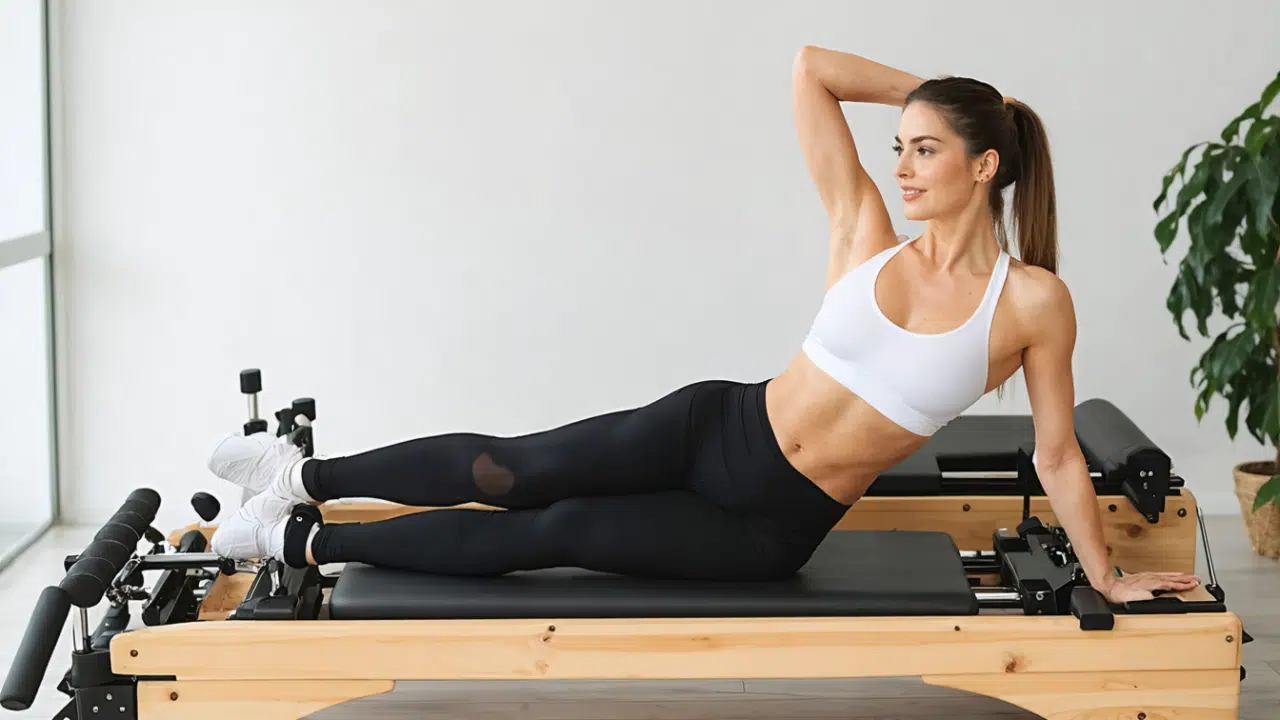
In the evolving landscape of wellness in 2025, the quest for a toned physique and improved posture has found a steadfast ally in Pilates. Recognized for its unique blend of low-impact movements and core strengthening techniques, Pilates offers a transformative approach to achieving a slimmer waistline while aligning the body for better posture. This method isn’t just about aesthetics; it’s a comprehensive fitness practice that enhances physical health by targeting deep muscle groups often neglected in traditional workouts. Enthusiasts from all walks of life now turn to Pilates, including platforms like Alo Moves and equipment brands such as Balanced Body and Merrithew, which have elevated the home Pilates experience to new heights. Whether integrated into dynamic workout regimes with Peloton or complemented by the supportive tools from Gaiam and Liforme, Pilates continues to make significant strides, proving its place as a cornerstone for effective posture correction and waist slimming.
Core Pilates Exercises That Target Waist Slimming and Postural Alignment
Targeting the core is central to Pilates, a practice that meticulously strengthens deep abdominal muscles while encouraging muscular balance and refined posture. Among the fundamental exercises championed for waist reduction and posture correction are those emphasizing controlled breathing, precision, and sustained core engagement. Here’s a detailed look into key Pilates movements cultivating a sleek waistline and upright posture.
The Hundred: Igniting Core Activation
Celebrated as a cornerstone of Pilates routines, The Hundred activates the entire core, fostering abdominal endurance and deep muscle engagement essential for posture support and waist shaping.
- Setup: Begin lying flat on your mat, elevate one leg to tabletop position with thighs perpendicular to the floor, knees bent at 90 degrees, and raise your head, neck, and shoulders.
- Movement: Flap your arms vigorously up and down, inhaling through the nose for 5 counts and exhaling through the mouth for 5, rhythmically pumping 100 times in total.
- Variations: For advanced engagement, extend your legs straight at a 45-degree angle while maintaining the abdominal brace.
This exercise harnesses the power of diaphragmatic breathing to enhance core stability, a factor crucial for upright posture and mitigating lumbar strain. Using the Pilates Move Pilates Reformer Board during this move intensifies resistance, amplifying muscular endurance.
Dynamic Torso on The Criss-Cross
Targeting the obliques, the Criss-Cross introduces rotational movement to sculpt the waist muscles, contributing to a pronounced hourglass figure while aligning spinal mechanics.
- Setup: Lay on your back with hands lightly behind your head, legs elevated to tabletop.
- Movement: Twist your torso to bring your right elbow towards your left knee as you extend the opposite leg, alternating sides smoothly over 10 to 12 repetitions per side.
- Tip: Keep your shoulders elevated from the mat for maximum engagement and maintain a stable cervical spine.
Incorporating stability tools from brands like Merrithew can ensure proper alignment and deepen the precision of each twist. The oblique focus refines waist definition while simultaneously encouraging spinal rotation conducive to optimal posture.
Strengthening with Plank Variations for Structural Support
Effective posture hinges on core strength, and among the myriad of Pilates exercises, plank to pike and side plank with hip dips stand out for their ability to target the abdominals and obliques critical to waist slimming and spinal stabilization.
- Plank to Pike: Begin in a high plank with wrists under shoulders. Engage your abs to pull hips upward into a pike position, then return smoothly to plank, repeating 10 to 12 controlled reps.
- Side Plank with Hip Dips: From a side plank, lower your hips towards the floor and lift back up, focusing on oblique engagement for side waist strength, with 10 dips per side.
- Alignment Tips: Use the non-slip surface of the PilatesMove Board to maintain a stable form, preventing undue lumbar shift.
The challenge of these moves lies in the isometric hold combined with dynamic movement, prompting muscle endurance, and promoting an erect spinal posture. Such integrated exercises balance strength and mobility, critical for maintaining an elegant silhouette.

| Exercise | Primary Muscle Target | Benefits for Waist & Posture | Workout Tools |
|---|---|---|---|
| The Hundred | Deep Abdominals | Core endurance, waist tightening, posture support | Pilates Move Pilates Reformer Board |
| Criss-Cross | Obliques | Waist definition, spinal rotation, postural control | Merrithew props for alignment |
| Plank to Pike | Lower and Upper Abs, Back | Spine support, waist toning, core strength | Pilates Move Board for stability |
| Side Plank with Hip Dips | Obliques, Shoulders | Side waist sculpting, alignment maintenance | Non-slip PilatesMove Board |
Understanding these core Pilates exercises helps create a balanced routine essential for achieving a slender waist while fostering upright posture that withstands the sedentary challenges of modern living. To delve deeper into the methodology of Pilates for posture improvement, consider official guides like Premium Pilates: Pilates at Home – 8 Moves for Perfect Posture that provide nuanced instruction.
Key Principles of Pilates Guiding Waist Reduction and Spinal Health
Pilates thrives on principles that extend beyond mere movements—they form the foundation for sustainable posture correction and waist sculpting. Understanding these key tenets enables practitioners to maximize effectiveness and prevent potential injury.
Core Engagement and Breath Control
Central to Pilates is deep core activation, often referred to as ‘powerhouse’ engagement, which includes the transverse abdominis, pelvic floor, and multifidus muscles. Proper breath control synchronizes with each exercise to stabilize these muscles, enhancing posture and creating a natural compression that pulls the waist inward.
- Diaphragmatic breathing strengthens deep core muscles, vital for spine alignment.
- Controlled breathing reduces unnecessary tension, easing excessive lumbar lordosis common in poor posture.
- Practice breathing patterns found in methods used by STOTT Pilates and CorePower Yoga to cultivate mindful movement.
Spinal Articulation and Alignment
Supporting the spine’s natural curves requires meticulous attention to spinal articulation, meaning movements that sequentially mobilize each vertebra, promoting resilience and preventing stiffness. Pilates teaches awareness of neutral spine and alignment principles ensuring that the waistline is not only slimmed through muscle activation but supported through optimal biomechanical positioning.
- Applications include roll-ups and roll-downs focusing on vertebral precision.
- Altering traditional movements to include tools like Liforme mats helps maintain tactile feedback, essential for long-term posture correction.
- Balanced Body’s reformers and accessories enhance correct postural positioning during exercises.
Mindful Movement and Consistent Practice
The art of Pilates also hinges on mindful movement, cultivating body awareness that translates into everyday life. This mindfulness ensures corrections made in class carry into habitual posture adjustments, essential for reducing waist circumference as muscles lengthen and tone.
- Mindfulness decreases stress-related tension in the abdomen, a culprit in belly fat accumulation.
- Consistency—practicing 3 to 4 times a week—accelerates muscular endurance and postural improvements.
- Leveraging online platforms like Blogilates and TruNature Pilates allows for continued motivation and form refinement.
Below is a summary table of how Pilates principles influence waist slimming and posture:
| Principle | Impact on Waist & Posture | Implementation Tips |
|---|---|---|
| Core Engagement | Pulls waist inward, supports spine | Engage transverse abdominis during exercises |
| Breath Control | Increases core stability, reduces tension | Synchronize breath with movements |
| Spinal Articulation | Promotes flexibility and alignment | Perform controlled roll-ups/roll-downs |
| Mindful Movement | Improves posture habits and muscle tone | Practice consistently and focus on form |
Pilates as a Holistic Approach to Waist Shaping and Postural Wellness
Pilates does not merely sculpt a slimmer waist through isolated exercises; it contributes holistically to body alignment, muscular balance, and wellness. In modern fitness culture, where routines can be high-impact and joint-stressing, Pilates offers an accessible alternative with broad-reaching benefits.
Stress Reduction and Improved Digestion
Beyond the physical, Pilates incorporates breathing techniques and mindful movement that significantly reduce stress— a factor intrinsically linked with abdominal fat retention and poor posture.
- Controlled breathing lowers cortisol levels, a hormone associated with abdominal fat storage.
- Mindful body awareness enhances autonomic nervous system balance, supporting digestive health.
- Some practitioners report improved gastric motility, aiding in reducing bloating and water retention that mask waist reduction.
Posture Enhancement Translates to Visual Waist Slimming
By correcting spinal alignment and strengthening postural muscles, Pilates ensures the waist appears elongated and slender. A person with optimal posture inherently creates the illusion of a smaller waist due to upright positioning and balanced muscle tone.
- Practice regularly with guidance from platforms such as Alo Moves and CorePower Yoga enhances postural muscle memory.
- Integrating Pilates with complementary methods like STOTT Pilates creates a more diverse and effective postural training regimen.
- Utilizing tools from Gaiam, including balance balls and blocks, deepens the postural engagement during Pilates routines.
Combining Pilates with Complementary Fitness and Lifestyle Elements
No workout is a silver bullet; Pilates thrives when integrated into a balanced fitness and nutrition plan. Engaging with cardiovascular activities or strength training can magnify the fat loss effects while a nutrient-dense diet supports muscle recovery.
- Mix Pilates with Peloton cycling or CorePower Yoga sessions for increased calorie burn.
- Nutrition plans rich in lean protein, whole grains, and healthy fats fuel Pilates performance and recovery.
- Hydration aids in reducing bloating and maintaining muscle elasticity.
- Stress management through TruNature Pilates breathing exercises supports sustained waist reduction.
Readers interested in expanding their Pilates practice to a multi-dimensional fitness approach may find value in articles like Does Pilates Give You a Smaller Waist? exploring real-world effectiveness and scientific insight.
Common Challenges and How to Overcome Them in Pilates for Waist Slimming and Posture Correction
While Pilates offers numerous benefits, practitioners often encounter challenges that can hinder progress towards a slimmer waist and improved posture. Recognizing and overcoming these obstacles ensures long-term success and injury prevention.
Maintaining Consistency and Proper Form
Consistency is key to Pilates success, especially when refining posture and shrinking the waist. However, incorrect execution may stall results or cause strain.
- Join expert-led Pilates classes or online tutorials for continuous feedback and correction.
- Utilize resources from trusted educators such as Blogilates and Merrithew to master form fundamentals.
- Practice with equipment like the PilatesMove Board to enhance precision and stability.
Combining Pilates Effectively with Other Fitness Regimens
As Pilates is low-impact, supplementary high-intensity workouts are beneficial to target overall fat loss that contributes to waist slimming.
- Implement cardio sessions, such as those on Peloton, complementing Pilates schedules.
- Incorporate strength training workouts emphasizing core and lower body to sculpt curves.
- Scheduling cross-training days helps maintain enthusiasm and fitness balance.
Dealing with Plateaus and Motivation
Plateaus can emerge due to routine stagnation or missing nutritional elements. Staying motivated and mixing up exercises is crucial.
- Track progress with journals or apps like BetterMe to visualize improvements.
- Try alternating sequences including the mermaid side stretch and teaser exercises to create varied challenges.
- Engage with community support via platforms such as Alo Moves and Blogilates for accountability.
| Challenge | Solution | Helpful Resources |
|---|---|---|
| Inconsistent practice | Set a weekly Pilates schedule and track progress | Blogilates online classes, Alo Moves app |
| Improper form | Take beginner workshops or private sessions | Merrithew certified instructors, PilatesMove tutorials |
| Lack of variety | Incorporate new exercises regularly | Peloton and CorePower Yoga crossover sessions |
Approaching Pilates with awareness, variety, and expert guidance is essential for meeting posture and waistline goals effectively. For inspiration on overcoming fat loss plateaus with Pilates, consult materials like How to Combine Pilates and Walking for Maximum Fat Loss.

Advanced Pilates Techniques and Tools to Maximize Posture Correction and Waist Slimming
To elevate your Pilates practice beyond foundational moves, incorporating advanced techniques and specialized equipment enriches muscle engagement and accelerates visible results.
Leveraging Pilates Reformers and Boards
Devices such as the Balanced Body reformer and the PilatesMove Pilates Reformer Board offer additional resistance and stability cues, crucial for deepening waist-toning efforts and enhancing postural control.
- Pilates reformers introduce spring resistance, promoting controlled strength and flexibility integration.
- The PilatesMove Board’s non-slip surface increases balance challenges, fostering stronger core stabilization.
- Equipment provides instant feedback on alignment, allowing realtime adjustments crucial for safe practice.
Incorporating Resistance Bands and Stability Tools
Resistance bands from brands like Gaiam add targeted resistance to exercises such as side kicks and leg circles, maximizing muscle activation around the waist and hips.
- Stability balls promote proprioception, activating smaller muscles responsible for posture.
- Use of Liforme mats enhances grip, enhancing balance during demanding sequences.
- Combining tools offers a multi-dimensional approach to strength and posture training.
Integrating Pilates with Other Mind-Body Modalities
Blending Pilates sessions with CorePower Yoga flows or STOTT Pilates ensures a comprehensive approach to flexibility, strength, and mindful movement, further refining posture and waist definition.
- Yoga strengthens postural muscles and emphasizes breath similar to Pilates.
- STOTT Pilates emphasizes rehabilitative techniques, ideal for those with postural imbalances.
- Crossover workouts help prevent overuse injuries and increase motivation.
For beginners and seasoned practitioners alike, resources such as The New York Times on 7 Pilates Moves for Better Posture offer elevated insight into integrating advanced Pilates principles into daily practice.
Employing advanced Pilates equipment and methods catalyzes both waist slimming and postural refinement, unlocking new levels of fitness accomplishment.
