
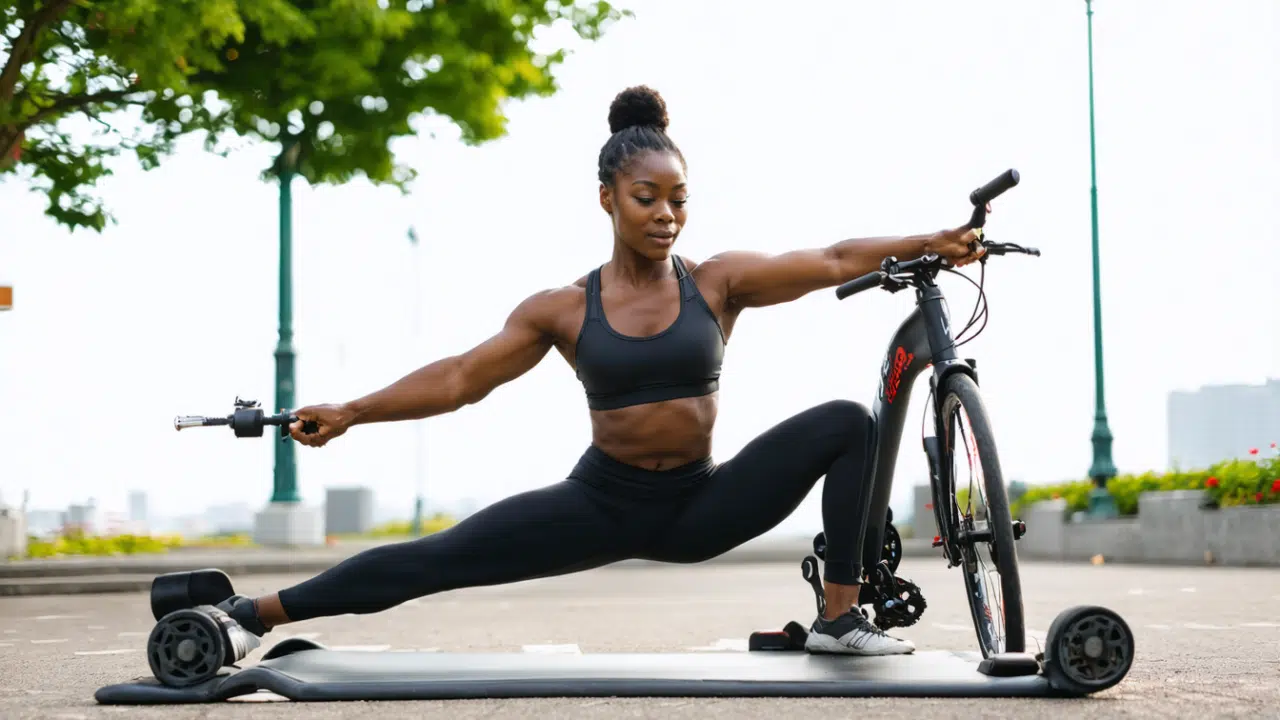
Pilates has steadily grown from a niche fitness method into a mainstream exercise choice for those seeking a balanced and mindful approach to their physical health. Known for building core strength, improving posture, and enhancing flexibility, Pilates is often praised for its holistic benefits. Yet, many wonder whether Pilates alone can accelerate fat loss and how to safely increase its intensity to maximize results. As we step into 2025, the integration of Pilates with strategic modifications and complementary routines is proving to be an effective formula for faster fat burning and body toning. This comprehensive guide unpacks how enthusiasts and beginners alike can safely elevate their Pilates practice to support quicker and sustainable fat loss while maintaining joint health and preventing injury. Alongside insights into different Pilates modalities, this article also explores essential lifestyle habits that amplify Pilates’ fat-burning potential.
Understanding the Role of Pilates in Fat Loss: Calorie Burn and Metabolic Boost Explained
At its core, fat loss depends on creating a caloric deficit—burning more calories than what you consume. Pilates might not traditionally be seen as a high-calorie-burn workout like running or cycling, but it offers unique metabolic advantages. Various forms of Pilates, including Reformer Pilates, Mat Pilates, and HIIT Pilates, cater to different intensity levels and fat-burning capacities. For example, Mat Pilates generally burns around 170 to 250 calories per hour, targeting core strength and posture enhancement. In contrast, Reformer Pilates, which uses a spring resistance system like those popularized by studios including FORM Pilates Studio, elevates calorie expenditure to roughly 250 to 450 calories per hour through full-body strengthening and resistance.
High-intensity variants like HIIT Pilates or dynamic Pilates flows push fat burning even further, torching 350 to 600 calories per hour by boosting cardiovascular output and endurance. However, beyond calorie counting, Pilates shines in its ability to build lean muscle, which elevates the resting metabolic rate (RMR). Studies highlight that individuals engaging in resistance-based workouts can increase their RMR by up to 15%, meaning more calories are burned even at rest.
| Type of Pilates | Average Calories Burned (per hour) | Primary Focus |
|---|---|---|
| Mat Pilates | 170-250 | Core strength, Stability, Mobility |
| Reformer Pilates | 250-450 | Full-body strengthening, Lean muscle growth |
| HIIT Pilates/Dynamic Flow | 350-600 | Cardio endurance, Fat burning, High-intensity effort |
Crucial to increasing Pilates intensity safely is understanding how to effectively engage muscles while maintaining form. Brands like Liforme, Manduka, Balanced Body, and Merrithew have developed equipment and apparel that enhance your Pilates experience, ensuring better grip, alignment, and resistance options. For anyone looking to accelerate fat loss, combining Pilates with cardiovascular activities such as walking or cycling, as recommended by numerous trainers, deepens calorie deficits and enhances heart health. This approach aligns with expert guides like those found on JG Pilates and HealthShots.
To maximize fat loss benefits, Pilates should be complemented by lifestyle choices that include mindful nutrition, stress management, and consistent activity. Combining these factors is pivotal in creating lasting body composition changes rather than relying solely on calorie burn during workouts.

Effective Strategies to Safely Increase Pilates Intensity Without Injury
Boosting the intensity of your Pilates practice involves more than just pushing harder; it requires strategic adjustments that ensure safety and sustainable progress. Here are several proven techniques for elevating your Pilates workouts:
- Focus on Proper Alignment and Form: Mastering posture and control maximizes muscle engagement and reduces the risk of injuries. Use mirrors or a certified instructor to correct your form, ensuring deeper muscle activation.
- Add Resistance Tools: Incorporate resistance bands, Pilates rings, hand weights, or increase spring tensions on Reformer machines. These accessories enhance muscle work and improve strength gains. Brands like Sweaty Betty and Gaiam offer excellent resistance bands and Pilates props.
- Increase Repetition and Tempo: When done safely, increasing the number of reps or slightly accelerating the pace can raise your heart rate and boost calorie burn. Always prioritize control to avoid compensatory movements.
- Integrate High-Intensity Interval Training (HIIT) Techniques: Alternating short bouts of heightened exertion with active rest periods intensifies workouts. For example, performing vigorous Pilates sequences for 30 seconds followed by 15 seconds rest—repeating in cycles—offers cardiovascular and metabolic benefits.
- Extend Workout Duration or Frequency: Gradually increasing session length or adding additional weekly Pilates classes builds endurance and strengthens metabolic conditioning.
As you apply these techniques, listening to your body’s signals becomes paramount. Overtraining or rushing progressions can cause strain or injury. It’s essential to respect personal limits and seek professional guidance from trusted studios such as FORM Pilates or Flex Studios, leaders in safe Pilates instruction.
| Intensity Strategy | Benefits | Safety Tips |
|---|---|---|
| Proper Alignment & Form | Enhances muscle activation and prevents injury | Use mirrors and instructor feedback |
| Add Resistance | Boosts strength and calorie burn | Increase resistance gradually |
| Increase Tempo & Repetitions | Elevates heart rate and endurance | Maintain control, avoid momentum |
| Incorporate HIIT | Enhances cardiovascular fitness and fat loss | Adjust intervals to fitness level |
Maximizing Fat Loss by Combining Pilates with Complementary Cardio and Nutrition
While Pilates excels at strengthening and toning muscles, integrating targeted cardiovascular exercise and proper nutrition significantly accelerates fat loss. Experts increasingly recommend complementing Pilates sessions with cardiovascular activities such as brisk walking, jogging, cycling, or HIIT workouts, which elevate heart rate and overall calories burned. Walking, in particular, is an underrated fat-burning tool that maintains low injury risk and aids recovery by increasing blood flow.
- Balanced Cardio Blend: Aim for 150 minutes of moderate cardio per week, mixed with Pilates sessions for balanced fat loss as suggested by health resources like this guide.
- Protein-Rich Nutrition: Consuming 1.2 to 2 grams of protein per kilogram of body weight supports muscle preservation and fat metabolism. Lean meats, legumes, dairy, and plant-based proteins fit well within a Pilates-focused diet.
- Whole Foods Emphasis: Prioritize unprocessed foods, fruits, vegetables, and healthy fats to sustain energy and reduce inflammation—key for workout recovery and fat loss.
- Hydration and Mindful Eating: Staying hydrated helps maintain exercise performance and metabolism. Mindful eating minimizes emotional snacking often triggered by stress or fatigue.
By combining Pilates with aerobic activity and a balanced diet, you create a multifaceted fat-loss approach that supports both physical transformation and metabolic health. This synergy is endorsed by practitioners from Pilates Anytime to wellness brands like Alo Yoga that often emphasize a holistic fitness lifestyle.

Building a Progressive Pilates Routine: Advanced Tips for Sustained Intensity and Fat Burn
As your Pilates proficiency grows, structuring a progressive routine helps maintain motivation and intensifies results. Consider these factors to continuously challenge your body:
- Master Foundation Exercises: Develop strong control over basic movements to build a reliable base. Work on essentials such as pelvic curls, single-leg stretches, and planks, which reinforce core integrity and prevent injuries.
- Gradually Introduce Variations: Incorporate more complex movements, increase resistance on your Reformer, or use dynamic flows to escalate intensity. Adjustments should match your advancing strength and flexibility.
- Consistent Practice: Aim for at least three Pilates sessions weekly, balancing strength, flexibility, and cardio elements. Consistency solidifies skill retention and contributes to metabolic improvements.
- Mindful Recovery: Equally vital is allowing for rest days, stretching, and relaxation techniques that reduce cortisol—a stress hormone that can hinder fat loss.
Incorporating Pilates apparatus from trusted brands like Balanced Body and Merrithew encourages variety and progressive resistance. Additionally, workout planners can benefit from resources and expert advice on maximizing Pilates workouts, available through platforms such as WeightLiftGuru.
| Routine Element | Action | Fat-Loss Benefit |
|---|---|---|
| Foundation Mastery | Perfect core exercises like plank, pelvic curl | Builds injury prevention and effective muscle recruitment |
| Exercise Variation | Add difficulty through modifications and resistance | Enhances progressive overload, metabolic boost |
| Consistent Scheduling | Train 3+ times per week | Supports metabolic rate improvement and fat loss |
| Recovery Focus | Schedule rest and stress management | Controls cortisol, supports sustainable fat loss |
Stress Management, Sleep, and the Invisible Factors Influencing Pilates Fat Loss Success
Often overlooked in fat loss strategies are the pivotal roles of stress regulation and quality sleep. Pilates offers intrinsic benefits here by fostering mind-body awareness and relaxation. Chronic stress triggers elevated cortisol levels, which promote fat accumulation around the abdomen and impair metabolic function. Through calm, controlled breathing and focused movement, Pilates reduces stress hormones and enhances parasympathetic nervous system activity.
Furthermore, good sleep is essential for muscle repair, hormone balance, and maintaining a healthy appetite. Lack of restorative rest increases hunger hormones like ghrelin, leading to overeating and hampering fat loss efforts. Incorporating sleep hygiene practices in conjunction with a Pilates program creates a powerful synergy.
- Mindfulness Practices: Employ deep breathing and meditation integrated into Pilates to enhance relaxation.
- Consistent Sleep Schedule: Aim for 7–9 hours of quality sleep each night to support recovery.
- Reduce Screen Time before Bed: Minimize blue light exposure to improve melatonin production.
- Manage Lifestyle Stress: Balance work, movement, and rest to maintain hormone equilibrium.
In 2025, the impact of these invisible factors is better understood than ever, with fitness and wellness experts advocating a holistic approach to fat loss that places equal weight on Pilates exercise, nutrition, and lifestyle balance. Such strategies increase the chances of fat loss retention and long-term success.
| Factor | Effect on Fat Loss | Recommended Approach |
|---|---|---|
| Stress | Elevated cortisol causes fat storage, especially belly fat | Regular Pilates + Mindfulness techniques |
| Sleep Quality | Supports muscle recovery and metabolic function | Adhere to consistent 7–9 hour sleep schedule |
| Nutrition | Fuel for workouts and recovery | Consume balanced meals with protein and whole foods |
