
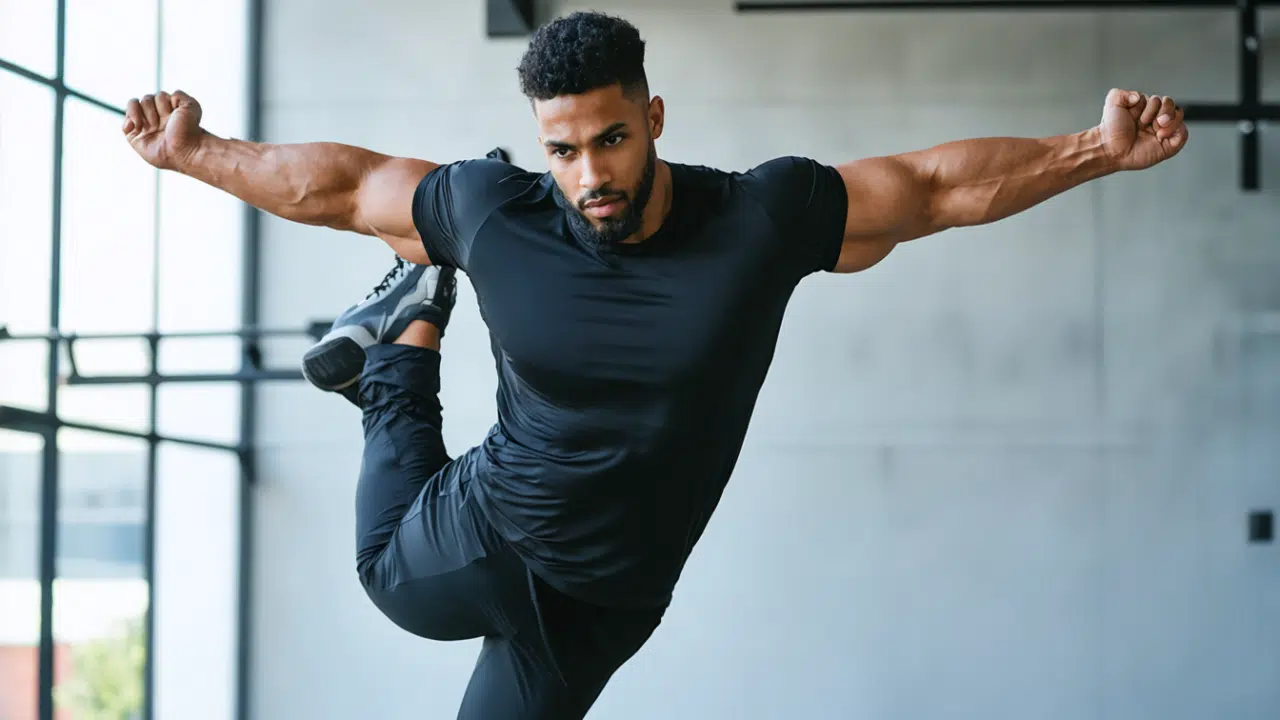
In the pursuit of sculpted abs, the traditional crunch is no longer the gold standard many believed it to be. Fitness enthusiasts and experts alike increasingly recommend dynamic, engaging exercises such as V-ups that recruit multiple muscle groups for added efficiency and results. With a growing preference for workouts that blend strength, balance, and functional movement, V-up exercises offer a comprehensive solution to core training. Gone are the days of monotonous floor crunches; today’s core routines prioritize integration, mobility, and muscle activation to deliver both aesthetic and performance benefits. Let’s delve into how V-up variations can invigorate your abs workout, enhance your overall core strength, and create a more toned midsection, alongside insights from professional trainers and scientific research supporting this trend.
Mastering the V-Up Exercise: The Dynamic Alternative to Crunches for Strong, Toned Abs
The V-up, sometimes referred to as the jackknife, has gained acclaim as a highly effective bodyweight exercise that targets the entire core rather than isolating just the upper abdominals like traditional crunches. This move involves a simultaneous lifting of both the upper body and legs to create a ‘V’ shape, effectively engaging the rectus abdominis, obliques, and deeper transverse abdominis muscles. Unlike crunches that primarily focus on spinal flexion, V-ups demand more coordination and recruit hip flexors and lower back muscles, promoting enhanced core stability and balance.
Performing V-ups correctly calls for precise form to maximize efficiency and minimize injury risk. Start lying flat on your back with arms extended overhead and legs straight. Engage your core to lift both your torso and legs in a smooth, controlled motion until your hands reach toward your feet, forming a V-shape with your body. Then, lower slowly back down to the starting position in a deliberate motion. This continuous, fluid movement not only strengthens but also challenges your endurance.
Experts recommend incorporating V-ups into your fitness routine multiple times per week to promote ab definition and core strength. As Jessica, a fitness writer with extensive experience, affirms, “You don’t need to do endless crunches — diverse movements such as V-ups stimulate the core in a more comprehensive and demanding way.”
- Muscle groups targeted: rectus abdominis, obliques, transverse abdominis, hip flexors, lower back muscles
- Benefits: better core stability, improved balance, enhanced muscle coordination
- Equipment: none required, making it an accessible bodyweight exercise
| Aspect | V-Up Exercise | Traditional Crunch |
|---|---|---|
| Muscle Engagement | Full core + hip flexors | Primarily upper abs |
| Range of Motion | Simultaneous upper body and leg lift | Upper body flexion only |
| Complexity | Moderate to advanced | Beginner level |
| Equipment Needed | None | None |
Brands like Nike, Adidas, and Under Armour have also embraced the versatility of bodyweight exercises such as V-ups by integrating them into their training programs, promoting this engaging approach to core strengthening alongside their high-performance apparel and equipment.

Advanced V-Up Variations to Enhance Core Strength and Ab Definition
Once you have mastered the basic V-up, advancing to more challenging variations will continue to develop your abdominal muscles and build overall core power. Variation in training is crucial; it prevents plateaus and keeps your routines stimulating both physically and mentally.
Here are some notable variations to amplify the V-up’s benefits:
- Weighted V-Ups: Holding a light dumbbell or medicine ball during the motion increases resistance, challenging muscles further and building strength.
- V-Up Twists: After reaching the V position, twist your torso to one side to engage your obliques more intensely.
- Alternating V-Ups: Perform V-ups by lifting one arm and the opposite leg at a time, simulating a cross-body crunch for unilateral core activation.
- V-Up to Plank: Transition directly from a V-up into a plank position, engaging multiple muscle groups and improving endurance.
These variations suit different fitness levels and goals, whether you want to increase muscle tone, improve balance, or boost athletic performance. Industry leaders such as Reebok and Gymshark endorse such advanced moves in their training videos and workout plans, appealing to both beginners upgrading their routines and athletes preparing for competitions.
Professional advice from trainers emphasizes maintaining controlled, deliberate movements during these variations. Fast, erratic motions can compromise form and lead to ineffective workouts or injury. It is also recommended to engage the deep core muscles steadily throughout each repetition to maximize benefits.
| Variation | Primary Focus | Difficulty Level | Benefits |
|---|---|---|---|
| Weighted V-Ups | Strength + Resistance | Intermediate to Advanced | Builds muscle, adds intensity |
| V-Up Twists | Obliques & Core Rotation | Intermediate | Enhances waist definition |
| Alternating V-Ups | Unilateral Core Activation | Beginner to Intermediate | Improves symmetry and balance |
| V-Up to Plank | Endurance + Full Body | Advanced | Strengthens multiple groups, improves stability |
For those interested in exploring these variations further, resources at sportcoaching.co.nz and FitnessVolt offer detailed tutorials and progressive training tips.
Why V-Ups Should Be a Core Part of Your Abs and Core Training Program
The V-up exercise offers more than aesthetic benefits; it builds a foundation of core strength crucial for functional movements, injury prevention, and athleticism. The core muscles stabilize the spine and pelvis, facilitating fluid motion during daily activities and sports. V-ups recruit these muscles synergistically, promoting bladder and pelvic support and improving posture and balance, which are vital in 2025’s fitness and wellness landscape.
Scientific studies highlight that integrating multiple muscle groups in core training results in higher activation rates compared to isolated exercises. For example, a recent paper in the Journal of Strength and Conditioning Research found that compound core exercises, including V-ups and plank variations, stimulate the abdominals, obliques, and hip flexors more effectively than crunches alone.
Here are key reasons to include V-ups in your routine:
- Enhanced Muscle Activation: Engages more muscles, including deeper core stabilizers.
- Improved Functional Strength: Strengthens muscles used in everyday motions like lifting, twisting, and maintaining posture.
- Better Balance and Coordination: Demands controlled body movements that improve neuromuscular coordination.
- Increased Calorie Burn: Multi-muscle recruitment means higher energy expenditure, aiding fat loss around the midsection.
Integrating V-ups with a well-rounded fitness plan including strength training, cardio, and flexibility work is essential to reveal sculpted abs. For example, many athletes combine V-ups with treadmill sessions or cycling workouts wearing performance gear from Lululemon and Puma for optimal fat burning and muscle toning.
| Benefit | Impact | Example Exercise |
|---|---|---|
| Core Stability | Supports spine and posture | V-ups, Plank leg crossovers |
| Muscle Tone | Achieves defined abs | Weighted V-ups, Wood chops |
| Calorie Burn | Aids fat loss | V-ups, Jump rope, Cardio |
| Balance & Coordination | Improves athletic performance | Knee to elbow side plank, V-up to plank |
Enthusiasts looking for variety can also explore the standing core workout developed by trainers, which includes movements like plank leg crossovers and knee tap tricep presses, as detailed in Tom’s Guide. These complement V-ups by activating other parts of the core and enhancing muscular endurance.
Incorporating V-Up Workouts into Your Fitness Regimen with Nutrition and Recovery
In 2025, achieving sculpted abs is understood as a synergy of workout, nutrition, and recovery. V-ups and their variations work wonders but cannot alone redefine your physique without appropriate fuel and rest.
Nutritional experts emphasize a balanced diet rich in protein, healthy fats, and complex carbohydrates to support muscle growth and fat loss. Brands like MyProtein provide tailored supplements that enhance recovery and energy for high-intensity sessions including V-up workouts.
Here’s a checklist for maximizing benefits when incorporating V-ups into your routine:
- Consistency: Perform V-up workouts 3-4 times per week for sustained progress.
- Progressive Overload: Gradually increase reps, sets, or add weights to challenge the muscles.
- Complementary Strength Work: Include compound lifts and plyometrics from Bodybuilding.com programs to enhance overall muscle balance.
- Proper Recovery: Prioritize sleep and active rest days; muscle repair is key for a defined core.
- Hydration: Stay well-hydrated to maintain muscle function and avoid cramps.
Many fitness aficionados find that innovative gear from Gymshark and Tone Fitness supports their training by offering comfort and flexibility during rigorous sessions, making V-up exercises even more effective and enjoyable.
| Key Factor | Role in Ab Development | Practical Tips |
|---|---|---|
| Training Frequency | Builds strength and endurance | 3-4 sessions per week |
| Nutrition | Supports muscle growth and fat loss | High protein, balanced macros |
| Recovery | Prevents injury, promotes muscle repair | Adequate sleep, active rest days |
| Equipment | Enhances workout quality | Use supportive fitness wear and accessories |
Expert-Recommended Comprehensive Core Training: Beyond V-Ups for Total Abs Sculpting
While V-ups are a cornerstone exercise, a truly sculpted abdomen results from a multifaceted approach that targets the core from all angles. Fitness experts Liu Gross and Camille Leblanc-Bazinet advocate for diverse movements, emphasizing the need to replicate how the body naturally moves: twisting, pivoting, and crunching.
Top alternatives and complementary exercises include:
- Wood Chops: Using cable machines or weighted implements, these mimic twisting motions essential for oblique strength and waist slimming. Chicago-based trainer Liu Gross recommends downward angled cables for increased resistance and proper muscle recruitment.
- Kettlebell Side Bends: Focus on obliques by bending laterally with a kettlebell; simple yet effective for beginner to intermediate levels.
- Incline Bench Reverse Crunches: A lower-ab focus that challenges grip and core control by lifting knees while holding onto an incline bench.
- Toes to Bar and Hanging Leg Lifts: Advanced hanging exercises that engage the entire core, improving grip strength and mobility.
Brands like Puma and Lululemon often spotlight variety-driven workouts to promote holistic core strength, appealing to a clientele eager for innovative routines beyond conventional sit-ups.
| Exercise | Core Action | Equipment | Skill Level |
|---|---|---|---|
| Wood Chop | Oblique Rotation | Cable machine/dumbbell | Intermediate |
| Kettlebell Side Bend | Lateral Flexion | Kettlebell | Beginner |
| Incline Bench Reverse Crunch | Lower Abdominals | Incline bench | Advanced |
| Toes to Bar | Full Core, Grip | Pull-up bar | Advanced |
Introducing such variety ensures comprehensive core conditioning, leading to balanced development and decreased risk of overuse injuries. For more inspiration and expert guidance, platforms like Muscle & Fitness and Cult Fit offer extensive tutorials and workout plans designed around these exercises.
