
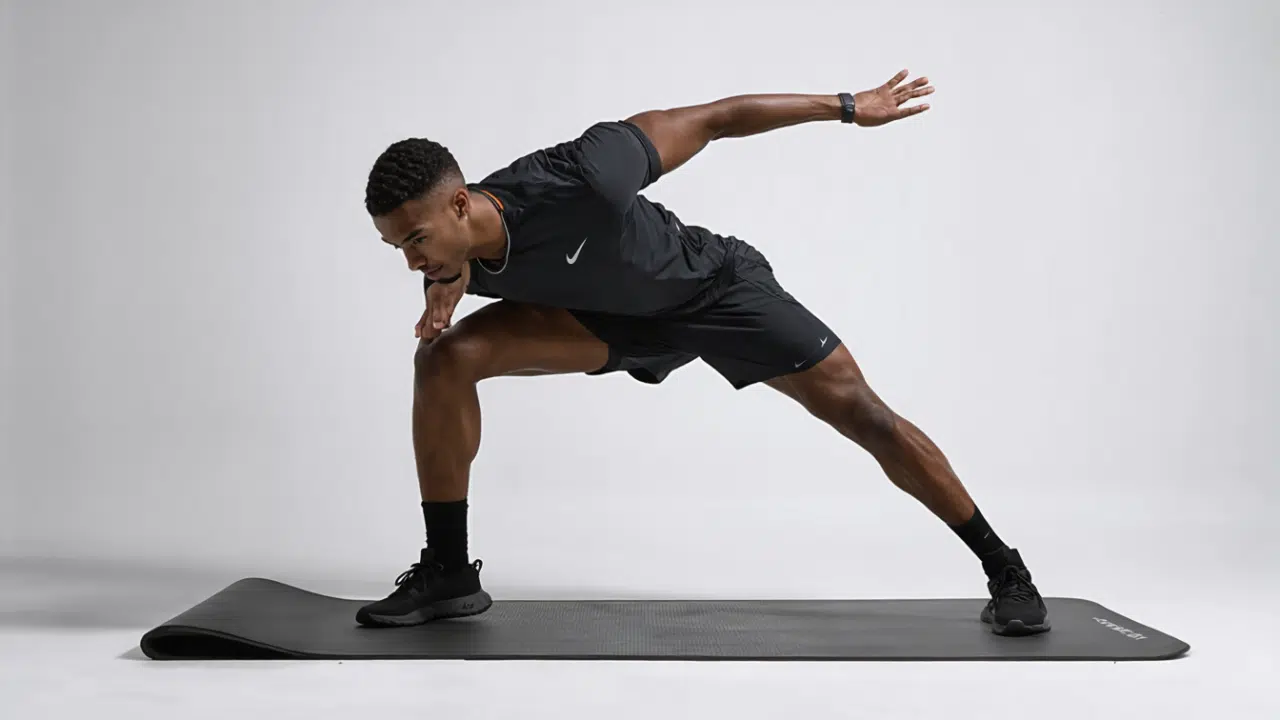
In the quest for a strong, stable core, the age-old crunch may no longer be king. Celebrities and top trainers alike have shifted their focus away from these traditional exercises towards routines that engage the entire core, providing functional strength beyond mere aesthetics. A fitness revolution is underway, emphasizing deep muscle activation and full-body integration to achieve resilient, injury-resistant bodies. As leading brands such as Nike, Adidas, Lululemon, and Gymshark innovate with performance gear suited for these modern workouts, and facilities like Equinox and Peloton cater to holistic training, it’s clear that the crunch-crammed workout is giving way to smarter, more effective core routines. This guide explores the core workout celebrities swear by, highlighting expert recommendations and exercises that embrace the full spectrum of core muscles for durable fitness and real-world benefits.
Why Traditional Crunches Fall Short for Core Strength
Crunches have long been the go-to core exercise for achieving “six-pack” abs, often seen as synonymous with core workouts. However, when dissecting their effectiveness, crunches prove to have notable limitations. Primarily, crunches target only the rectus abdominis, the superficial muscle responsible for that coveted vertical slab down your front midsection. While this can be visually appealing for some, the rectus abdominis represents just a fraction of the core muscle group.
True core strength depends on the entire ensemble of muscles, including the deep core muscles that stabilize the spine and pelvis. These deeper muscles—such as the transverse abdominis, internal and external obliques, diaphragm, and pelvic floor—play critical roles in maintaining posture, balance, and functional strength during everyday movements and workouts. Crunches largely bypass these essential stabilizers, potentially leading to imbalanced muscle development.
Moreover, crunches often involve repetitive spinal flexion, which can place undue strain on the neck and lower back, especially when performed with poor form. This risk of injury makes crunches less sustainable as a long-term core strengthening strategy, according to numerous fitness experts, including Dave Rienzi, celebrity trainer to Henry Cavill and Dwayne Johnson. Rienzi advocates for exercises that promote stability without the repetitive spinal stress that traditional crunches impose.
Understanding the Core: More Than Just Abs
- Rectus abdominis: The “six-pack” muscle, responsible for trunk flexion.
- Transverse abdominis: Deep core muscle that acts like a corset, stabilizing the spine and pelvis.
- Obliques (internal and external): Responsible for rotational and lateral movement, aiding in trunk rotation and side bending.
- Pelvic floor muscles: Support the lower abdomen and pelvis, contributing to core stability.
- Diaphragm: Plays a role in core stability through breath control and intra-abdominal pressure.
The focus on maintaining and training these muscles helps prevent muscle imbalances, promotes better posture, and reduces risk of back and neck strain—issues often exacerbated by excessive crunching. You can learn more about why crunches are becoming obsolete by visiting this article on T3.
| Aspect | Crunches | Modern Core Workouts |
|---|---|---|
| Muscles Targeted | Primarily rectus abdominis | Whole core including deep stabilizers |
| Injury Risk | Higher: neck and lower back strain | Lower: promotes spinal stability |
| Functional Strength | Limited | Enhanced balance, posture, and everyday movement |
| Equipment Needed | None | Mostly bodyweight; sometimes gym tools like TRX |

The Shoulder Tap: The Celebrity Trainer’s Secret to a Rock-Solid Core
Dave Rienzi, renowned celebrity trainer to stars like Dwayne Johnson and Henry Cavill, recommends swapping hundreds of crunches for a more comprehensive and beginner-friendly exercise: the shoulder tap. This compound, bodyweight movement works not only the abdominals but also the deep core muscles, obliques, back, shoulders, arms, chest, quads, and glutes.
What makes the shoulder tap especially effective is its incorporation of both stability and dynamic movement. Unlike traditional crunches, it requires maintaining a solid plank position while alternating tapping your opposite shoulder with one hand. Holding the tap for 1-2 seconds intensifies the challenge to your core stability, forcing your body to resist rotational forces.
Step-by-Step Guide to the Perfect Shoulder Tap
- Begin in a high plank position: hands beneath shoulders, legs extended and toes on the floor.
- Tighten your entire core to maintain a neutral spine.
- Lift one hand off the floor slowly and tap the opposite shoulder.
- Hold the tap for 1 to 2 seconds to maximize core activation.
- Return your hand to the starting position and repeat on the other side.
- Complete 3 sets of 10 reps, focusing on controlled, deliberate movements.
If holding a high plank is too challenging initially, begin from a kneeling push-up position. Optimizing your feet positioning can make the exercise easier or harder: placing feet wider offers more stability while bringing them closer increases difficulty. This adaptability makes the shoulder tap accessible for a broad range of fitness levels, from beginners to elite athletes.
A video demonstrating this exercise and proper technique can be found on YouTube. This single move fits perfectly into warm-ups or can be integrated into longer workouts, complementing routines from Peloton or TRX for maximal effect. The shoulder tap is a perfect example of how brands like Nike, Lululemon, and Under Armour design clothing and gear that facilitate functional, movement-based training.
| Benefit | Shoulder Tap Effect |
|---|---|
| Core Engagement | Targets deep and superficial muscles simultaneously |
| Stability Training | Enhances postural control and balance |
| Functional Movement | Strengthens muscles used in everyday activities |
| Accessibility | Bodyweight only, adjustable difficulty |
Deep Core Training and Its Role in Functional Fitness
Popularized by celebrities who demand more than just a washboard stomach, deep core training has become a vital component of their fitness regimens. This approach targets muscles that stabilize the entire torso, particularly those that operate beneath the surface, supporting the spine and pelvis while improving posture and reducing injury risk.
The importance of deep core engagement is often overlooked. While surface-level exercises such as crunches build strength in visible muscles, they ignore the underlying foundation necessary for sustainable function. Athletes like Chris Hemsworth and Zoe Saldana focus heavily on movements that engage these hidden muscles, often incorporating pilates-inspired moves like glute bridges on stability balls or Bosu balls, facilitating muscular coordination and balance improvement.
Deep core workouts also complement breathing techniques, often practiced in pilates and yoga. Proper breath control improves intra-abdominal pressure, enhancing core stability and endurance. This is of particular interest for anyone engaged in high-intensity training, such as those electing for classes at popular brands like Sweaty Betty or studios that combine TRX with cardio intervals.
Popular Deep Core Exercises Celebrities Swear By
- Plank variations: Front, side, and extended planks to engage multiple core muscles.
- Glute bridges on Bosu balls: Strengthen posterior chain and deep core stabilizers.
- Pilates roll-ups: Controlled spinal articulation targeting transverse abdominis.
- Dead bugs: Promote limb coordination while keeping the core stable.
- Bird dog: Enhances balance and low back stability.
- Medicine ball slams and throws: Dynamic core power as practiced by Kaley Cuoco.
Visit Women’s Health for extended celebrity workouts focusing on these effective exercises.
| Exercise | Muscles Targeted | Celebrity Endorsing |
|---|---|---|
| Plank Variations | Deep core, obliques, back | Chris Hemsworth |
| Glute Bridges on Bosu Ball | Glutes, transverse abdominis | Zoe Saldana |
| Medicine Ball Throws | Full core, arms, shoulders | Kaley Cuoco |
Why Functional Core Training is Essential for Everyday Strength
A well-developed core is the cornerstone of strength for more than just aesthetics; it underpins every movement from the gym to daily tasks. Functional core training differs from traditional ab work by focusing on strengthening the muscles that stabilize your torso in multiple planes of motion, enhancing balance, power, and injury prevention.
Imagine lifting groceries, playing with children, or performing activities that require twisting and turning. Without a strong, functional core, these movements become inefficient and risk strain or injury. Brands like Fabletics and Sweaty Betty cater to consumers seeking versatile apparel suitable for both workout sessions and active lifestyles, supporting the need for core strength in daily living.
Key Benefits of Functional Core Workouts
- Improved posture: A strong core combats the sedentary lifestyle effects by supporting spinal alignment.
- Enhanced balance and coordination: Reduces falls and improves athletic performance.
- Injury prevention: Stabilizes joints, lowering the risk of strains and sprains.
- Better athletic performance: Supports explosive movements in sports, weightlifting, and dance.
- Reduced back pain: Strengthened core muscles relieve stress on the lumbar spine.
Functional core training can be seamlessly integrated into routines offered by Peloton, TRX studios, or gym sessions at Equinox, making it accessible no matter your preferred workout environment. For personalized advice on core training, this expert guide offers useful tips on avoiding lower back pain.
Best Practices for Integrating Celebrity Core Workouts into Your Routine
Incorporating the core workouts favored by celebrities requires mindful planning to balance intensity with recovery while catering to your individual fitness goals. Whether your aim is weight loss, enhanced athleticism, or injury prevention, these practices optimize results without overloading your body.
Tips to Maximize Core Workout Efficiency
- Start with dynamic warm-ups: Activate muscles using lighter exercises such as shoulder taps before progressing to more intense movements.
- Focus on form over reps: Controlled technique ensures target muscles are engaged and minimizes injury risks.
- Incorporate variety: Rotate between exercises like planks, Pilates moves, and medicine ball workouts to engage different core components.
- Use reputable gear: Brands such as Gymshark, Nike, and Adidas provide supportive, stylish workout apparel that enhance movement.
- Consistent breathing: Coordinate breath with movement to optimize core activation and endurance.
Combining these strategies with guidance from online resources, including the 7-move 10-minute core workout guide, allows you to build lasting strength with minimal time investment.

